The text
Tap Recite along to follow verse by verse — use Next, or the arrow keys.
- Opening doha
- Doha (opening)
गरुड़ वाहिनी वैष्णवी, त्रिकुटा पर्वत धाम।काली, लक्ष्मी, सरस्वती, शक्ति तुम्हें प्रणाम॥
garuḍa vāhinī vaiṣṇavī, trikuṭā parvata dhāma।kālī, lakṣmī, sarasvatī, śakti tumheṃ praṇāma॥
Mounted on Garuda, O Vaishnavi, dwelling on Mount Trikuta — Kali, Lakshmi, Saraswati, O Shakti, to you we bow.
- The 40 chaupais
- Chaupai 1
नमोः नमोः वैष्णो वरदानी।कलि काल में शुभ कल्याणी॥
namoḥ namoḥ vaiṣṇo varadānī।kali kāla meṃ śubha kalyāṇī॥
Salutations, salutations to Vaishno, the boon-giver — in this Kali age, the auspicious bringer of good fortune.
- Chaupai 2
मणि पर्वत पर ज्योति तुम्हारी।पिंडी रूप में हो अवतारी॥
maṇi parvata para jyoti tumhārī।piṃḍī rūpa meṃ ho avatārī॥
Upon Mani Parvat shines your light — you have taken incarnate form as the pindi, the sacred rock.
- Chaupai 3
देवी देवता अंश दियो है।रत्नाकर घर जन्म लियो है॥
devī devatā aṃśa diyo hai।ratnākara ghara janma liyo hai॥
The gods and goddesses gave a portion of themselves, and you took birth in the house of Ratnakar.
- Chaupai 4
करी तपस्या राम को पाऊँ।त्रेता की शक्ति कहलाऊँ॥
karī tapasyā rāma ko pāū̃।tretā kī śakti kahalāū̃॥
"I performed austerities so that I might attain Ram, and be called the Shakti of the Treta Yuga."
- Chaupai 5
कहा राम मणि पर्वत जाओ।कलियुग की देवी कहलाओ॥
kahā rāma maṇi parvata jāo।kaliyuga kī devī kahalāo॥
Ram said, "Go to Mani Parvat, and be known as the goddess of the Kali age."
- Chaupai 6
विष्णु रूप से कल्की बनकर।लूंगा शक्ति रूप बदलकर॥
viṣṇu rūpa se kalkī banakara।lūṃgā śakti rūpa badalakara॥
"Taking the form of Vishnu as Kalki, I shall come and, changing my form, take you back as my Shakti."
- Chaupai 7
तब तक त्रिकुटा घाटी जाओ।गुफा अंधेरी जाकर पाओ॥
taba taka trikuṭā ghāṭī jāo।guphā andherī jākara pāo॥
"Until then, go to the Trikuta hills, and find there a dark cave."
- Chaupai 8
काली-लक्ष्मी-सरस्वती माँ।करेंगी पोषण-पार्वती माँ॥
kālī-lakṣmī-sarasvatī mā̃।kareṃgī poṣaṇa-pārvatī mā̃॥
"Mother Kali, Mother Lakshmi, Mother Saraswati, and Mother Parvati will sustain you."
- Chaupai 9
ब्रह्मा, विष्णु, शंकर द्वारे।हनुमत, भैरों प्रहरी प्यारे॥
brahmā, viṣṇu, śaṅkara dvāre।hanumata, bhairoṃ praharī pyāre॥
At your door stand Brahma, Vishnu, and Shankar; Hanuman and Bhairon, your beloved guardians.
- Chaupai 10
रिद्धि, सिद्धि चंवर डुलावें।कलियुग-वासी पूजत आवें॥
riddhi, siddhi caṃvara ḍulāveṃ।kaliyuga-vāsī pūjata āveṃ॥
Riddhi and Siddhi wave the fly-whisk over you; the people of this Kali age come to worship you.
- Chaupai 11
पान सुपारी ध्वजा नारियल।चरणामृत चरणों का निर्मल॥
pāna supārī dhvajā nāriyala।caraṇāmṛta caraṇoṃ kā nirmala॥
Betel leaf, betel nut, a flag, and a coconut are offered; the water that washes your feet is pure nectar.
- Chaupai 12
दिया फलित वर माँ मुस्काई।करन तपस्या पर्वत आई॥
diyā phalita vara mā̃ muskāī।karana tapasyā parvata āī॥
Having granted the fruit of the boon, Mother smiled, and came to the mountain to perform austerities.
- Chaupai 13
कलि कालकी भड़की ज्वाला।इक दिन अपना रूप निकाला॥
kali kālakī bhaḍakī jvālā।ika dina apanā rūpa nikālā॥
The flame of the Kali age blazed up, and one day she manifested her own form.
- Chaupai 14
कन्या बन नगरोटा आई।योगी भैरों दिया दिखाई॥
kanyā bana nagaroṭā āī।yogī bhairoṃ diyā dikhāī॥
Taking the form of a maiden, she came to Nagrota, and showed herself to the yogi Bhairon.
- Chaupai 15
रूप देख सुन्दर ललचाया।पीछे-पीछे भागा आया॥
rūpa dekha sundara lalacāyā।pīche-pīche bhāgā āyā॥
Seeing her beautiful form, he was tempted, and came running after her.
- Chaupai 16
कन्याओं के साथ मिली माँ।कौल-कंदौली तभी चली माँ॥
kanyāoṃ ke sātha milī mā̃।kaula-kandaulī tabhī calī mā̃॥
Mother joined a group of maidens, and then went on to Kaul-Kandoli.
- Chaupai 17
देवा माई दर्शन दीना।पवन रूप हो गई प्रवीणा॥
devā māī darśana dīnā।pavana rūpa ho gaī pravīṇā॥
As Deva Mai, she granted her divine vision, and became skilled in taking the form of the wind.
- Chaupai 18
नवरात्रों में लीला रचाई।भक्त श्रीधर के घर आई॥
navarātroṃ meṃ līlā racāī।bhakta śrīdhara ke ghara āī॥
During Navratri she enacted her divine play, and came to the house of the devotee Shridhar.
- Chaupai 19
योगिन को भण्डारा दीना।सबने रुचिकर भोजन कीना॥
yogina ko bhaṇḍārā dīnā।sabane rucikara bhojana kīnā॥
A feast was offered to the ascetics, and everyone ate a delicious meal.
- Chaupai 20
मांस, मदिरा भैरों मांगी।रूप पवन कर इच्छा त्यागी॥
māṃsa, madirā bhairoṃ māṃgī।rūpa pavana kara icchā tyāgī॥
Bhairon demanded meat and wine; taking the form of the wind, she left his wish behind and departed.
- Chaupai 21
बाण मारकर गंगा निकाली।पर्वत भागी हो मतवाली॥
bāṇa mārakara gaṃgā nikālī।parvata bhāgī ho matavālī॥
Striking with an arrow, she brought forth a stream of the Ganga, and fled up the mountain as if intoxicated with divine power.
- Chaupai 22
चरण रखे आ एक शिला जब।चरण-पादुका नाम पड़ा तब॥
caraṇa rakhe ā eka śilā jaba।caraṇa-pādukā nāma paḍā taba॥
When she set her feet upon a rock, that place came to be called Charan Paduka, the footprint stone.
- Chaupai 23
पीछे भैरों था बलकारी।छोटी गुफा में जाय पधारी॥
pīche bhairoṃ thā balakārī।choṭī guphā meṃ jāya padhārī॥
Behind her, mighty Bhairon pursued; she went and took shelter in a small cave.
- Chaupai 24
नौ माह तक किया निवासा।चली फोड़कर किया प्रकाशा॥
nau māha taka kiyā nivāsā।calī phoḍakara kiyā prakāśā॥
She dwelt there for nine months, then broke through the rock and emerged, revealing her light.
- Chaupai 25
आद्या शक्ति-ब्रह्म कुमारी।कहलाई माँ आद कुंवारी॥
ādyā śakti-brahma kumārī।kahalāī mā̃ āda kuṃvārī॥
The primordial Shakti, the virgin daughter of Brahman — Mother came to be called the Eternal Virgin, Aad Kunwari.
- Chaupai 26
गुफा द्वार पहुँची मुस्काई।लांगुर वीर ने आज्ञा पाई॥
guphā dvāra pahũcī muskāī।lāṃgura vīra ne ājñā pāī॥
She reached the cave's entrance, smiling; Langur Vir, her guardian, received her command.
- Chaupai 27
भागा-भागा भैरों आया।रक्षा हित निज शस्त्र चलाया॥
bhāgā-bhāgā bhairoṃ āyā।rakṣā hita nija śastra calāyā॥
Running swiftly, Bhairon arrived; for his own protection, he wielded his weapon.
- Chaupai 28
पड़ा शीश जा पर्वत ऊपर।किया क्षमा जा दिया उसे वर॥
paḍā śīśa jā parvata ūpara।kiyā kṣamā jā diyā use vara॥
His head fell upon the mountain above; then she forgave him, and granted him a boon.
- Chaupai 29
अपने संग में पुजवाऊंगी।भैरों घाटी बनवाऊंगी॥
apane saṃga meṃ pujavāūṃgī।bhairoṃ ghāṭī banavāūṃgī॥
"I shall have you worshipped alongside me, and shall establish Bhairon Ghati in your name."
- Chaupai 30
पहले मेरा दर्शन होगा।पीछे तेरा सुमरन होगा॥
pahale merā darśana hogā।pīche terā sumarana hogā॥
"First my darshan shall take place, and afterward, remembrance of you."
- Chaupai 31
बैठ गई माँ पिण्डी होकर।चरणों में बहता जल झर झर॥
baiṭha gaī mā̃ piṇḍī hokara।caraṇoṃ meṃ bahatā jala jhara jhara॥
Mother settled there in the form of the pindi, the sacred rock; at her feet, water flows continuously.
- Chaupai 32
चौंसठ योगिनी-भैरों बरवन।सप्तऋषि आ करते सुमरन॥
cauṃsaṭha yoginī-bhairoṃ baravana।saptaṛṣi ā karate sumarana॥
The sixty-four yoginis and Bhairon gather all around, and the Seven Sages come to offer their remembrance.
- Chaupai 33
घंटा ध्वनि पर्वत पर बाजे।गुफा निराली सुन्दर लागे॥
ghaṃṭā dhvani parvata para bāje।guphā nirālī sundara lāge॥
The sound of bells rings out upon the mountain; the cave appears wondrous and beautiful.
- Chaupai 34
भक्त श्रीधर पूजन कीना।भक्ति सेवा का वर लीना॥
bhakta śrīdhara pūjana kīnā।bhakti sevā kā vara līnā॥
The devotee Shridhar performed worship, and received the boon of devoted service.
- Chaupai 35
सेवक ध्यानूं तुमको ध्याया।ध्वजा व चोला आन चढ़ाया॥
sevaka dhyānūṃ tumako dhyāyā।dhvajā va colā āna caḍhāyā॥
Your devotee Dhyanu meditated upon you, and came to offer you a flag and a cloak.
- Chaupai 36
सिंह सदा दर पहरा देता।पंजा शेर का दुःख हर लेता॥
siṃha sadā dara paharā detā।paṃjā śera kā duḥkha hara letā॥
A lion ever stands guard at her door; the touch of the lion's paw takes away all sorrow.
- Chaupai 37
जम्बू द्वीप महाराज मनाया।सर सोने का छत्र चढ़ाया॥
jambū dvīpa mahārāja manāyā।sara sone kā chatra caḍhāyā॥
The Maharaja honored her, and had a canopy of gold raised above her.
- Chaupai 38
हीरे की मूरत संग प्यारी।जगे अखण्ड इक जोत तुम्हारी॥
hīre kī mūrata saṃga pyārī।jage akhaṇḍa ika jota tumhārī॥
Beside her beautiful diamond image, your eternal, unbroken flame burns.
- Chaupai 39
आश्विन चैत्र नवराते आऊँ।पिण्डी रानी दर्शन पाऊँ॥
āśvina caitra navarāte āū̃।piṇḍī rānī darśana pāū̃॥
In the Navratri of Ashwin and Chaitra, may I come and receive the darshan of the pindi-queen.
- Chaupai 40
सेवक 'शर्मा' शरण तिहारी।हरो वैष्णो विपत हमारी॥
sevaka 'śarmā' śaraṇa tihārī।haro vaiṣṇo vipata hamārī॥
Your servant Sharma has taken refuge in you; O Vaishno, remove all our troubles.
- Closing doha
- Doha (closing)
कलियुग में महिमा तेरी।है माँ अपरम्पार।धर्म की हानि हो रही।प्रगट हो अवतार॥
kaliyuga meṃ mahimā terī।hai mā̃ aparampāra।dharma kī hāni ho rahī।pragaṭa ho avatāra॥
In this Kali age, your glory, O Mother, is boundless; dharma is being harmed — appear now, O incarnate one.
Overview
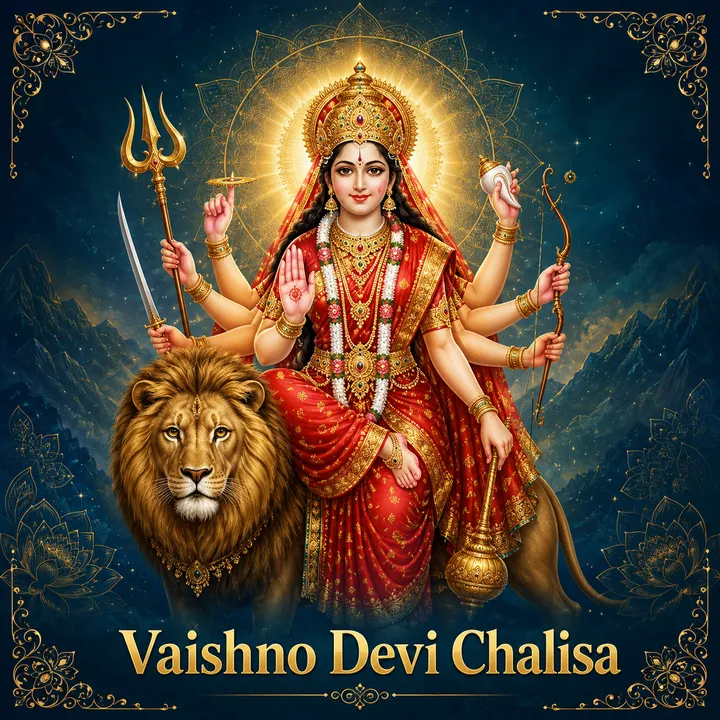
The Vaishno Devi Chalisa is a forty-couplet Hindi devotional composition in praise of Vaishno Devi, framed by an opening and closing doha. Rather than simply listing the goddess’s attributes, its body of chaupai verses narrates her story in sequence — her origin, her vow to Ram, her journey to the Trikuta hills, her encounter with the ascetic Bhairon, and her final settling into the cave shrine as a pindi, a naturally formed rock. Recited daily by many of her devotees, it is especially associated with Navratri and with the yatra to her shrine.
Origin and source
As with the Ganesh Chalisa, this text’s authorship is not well documented outside the composition itself. Its closing chaupai names the composer — “your servant Sharma has taken refuge in you” — but nothing further about this Sharma is established in the secondary literature, so this page treats the Chalisa as a traditional composition recited across Vaishno Devi devotion, with its author named within the verses but not otherwise biographically documented.
The narrative the chaupais tell is the popular legend of Vaishno Devi’s origin: born to a devotee named Ratnakar, she performs austerities to attain Ram in the Treta Yuga; Ram tells her that he will return as Kalki to make her his Shakti, and until then she should dwell in a cave in the Trikuta hills as the goddess of the Kali age. The verses go on to recount her encounter with the ascetic Bhairon, who pursues her after she declines his demand for meat and wine; her nine months in a cave before breaking through the rock into the open shrine; and her eventual forgiveness of Bhairon after Langur Vir, her guardian, deals with him — the traditional basis for the custom, still followed today, of pilgrims visiting the nearby Bhairon Nath temple after their darshan of the Mother.
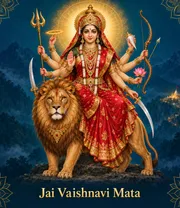
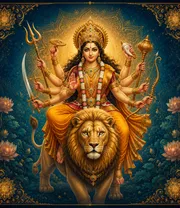
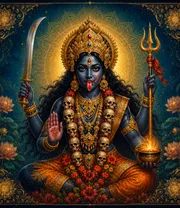
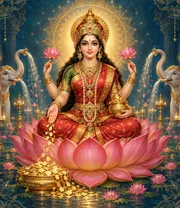
Hindu devotional tradition widely identifies Vaishno Devi as a form of Durga, the Divine Mother — a reading this chalisa’s own verses support, describing her as constituted from Kali, Lakshmi, and Saraswati together, in a manner that parallels the Devi Mahatmyam’s account of Durga’s own origin from the combined power of the gods.
One word in the eighth chaupai required a decision. This page had printed “करेंगी शोषण” — “will drain” — of the Mothers who sustain the goddess in the cave she has just been told to go to. Of nine devotional sources checked line by line, seven print “करेंगी पोषण” (“will nourish”) and two print “शोषण”; this page follows the “पोषण” reading. The chalisa’s identification of Vaishno Devi with Kali, Lakshmi and Saraswati rests on its opening doha, which addresses her by all three names, not on this line.
How it is recited
The Vaishno Devi Chalisa is recited daily by many of the goddess’s devotees, and especially during the nine nights of Navratri. It is also widely recited by pilgrims making the yatra to her shrine, a cave sanctuary high in the Trikuta hills above the town of Katra, reached on foot over a steep, multi-day climb undertaken by millions of devotees each year.
Frequently asked questions
How many verses does Vaishno Devi Chalisa have?
Who is Vaishno Devi Chalisa dedicated to?
When is Vaishno Devi Chalisa typically recited?
What language is Vaishno Devi Chalisa composed in?
What tradition is Vaishno Devi Chalisa associated with?
Is an English translation of Vaishno Devi Chalisa available?
Is there a Roman transliteration of Vaishno Devi Chalisa?
Sourcing
Checked against independent sources before publishing — see our sourcing and editorial policy. Spotted an error? Report an issue .