The text
Tap Recite along to follow verse by verse — use Next, or the arrow keys.
- Opening dohas
- Doha 1 (opening)
अलख निरंजन आप हैं, निरगुण सगुण हमेश।नाना विधि अवतार धर, हरते जगत कलेश॥
alakha nirañjana āpa haiṃ, niraguṇa saguṇa hameśa।nānā vidhi avatāra dhara, harate jagata kaleśa॥
You are the unseen and stainless one, forever without attributes and with them; taking incarnation in many forms, you take away the world's affliction.
- Doha 2 (opening)
बाबा गंगारामजी, हुए विष्णु अवतार।चमत्कार लख आपका, गूँज उठी जयकार॥
bābā gaṅgārāmajī, hue viṣṇu avatāra।camatkāra lakha āpakā, gū̃ja uṭhī jayakāra॥
Baba Gangaramji was an incarnation of Vishnu; seeing your wonder, shouts of victory rang out.
- The 40 chaupais
- Chaupai 1
गंगाराम देव हितकारी।वैश्य वंश प्रकटे अवतारी॥
gaṅgārāma deva hitakārī।vaiśya vaṃśa prakaṭe avatārī॥
Gangaram, god and benefactor — the incarnate one appeared in a Vaishya family.
- Chaupai 2
पूर्वजन्म फल अमित रहेऊ।धन्य-धन्य पितु मातु भयेउ॥
pūrvajanma phala amita raheū।dhanya-dhanya pitu mātu bhayeu॥
The fruit of a former birth was boundless; blessed, blessed were his father and his mother.
- Chaupai 3
उत्तम कुल उत्तम सतसंगा।पावन नाम राम अरू गंगा॥
uttama kula uttama satasaṅgā।pāvana nāma rāma arū gaṅgā॥
A noble family, noble company of the good; the holy names Ram and Ganga.
- Chaupai 4
बाबा नाम परम हितकारी।सत सत वर्ष सुमंगलकारी॥
bābā nāma parama hitakārī।sata sata varṣa sumaṅgalakārī॥
Baba's name is of the highest benefit, bringing good fortune year after year.
- Chaupai 5
बीतहिं जन्म देह सुध नाहीं।तपत तपत पुनि भयेऊ गुसाई॥
bītahiṃ janma deha sudha nāhīṃ।tapata tapata puni bhayeū gusāī॥
His life passed with no thought for the body; through austerity on austerity he became a master.
- Chaupai 6
जो जन बाबा में चित लावा।तेहिं परताप अमर पद पावा॥
jo jana bābā meṃ cita lāvā।tehiṃ paratāpa amara pada pāvā॥
Whoever fixed his mind on Baba obtained by that power the deathless state.
- Chaupai 7
नगर झुंझनूं धाम तिहारो।शरणागत के संकट टारो॥
nagara jhuñjhanūṃ dhāma tihāro।śaraṇāgata ke saṅkaṭa ṭāro॥
The town of Jhunjhunu is your abode; turn aside the troubles of those who come for refuge.
- Chaupai 8
धरम हेतु सब सुख बिसराये।दीन हीन लखि हृदय लगाये॥
dharama hetu saba sukha bisarāye।dīna hīna lakhi hṛdaya lagāye॥
For the sake of dharma he forgot every comfort; seeing the poor and the lowly, he held them to his heart.
- Chaupai 9
एहि विधि चालीस वर्ष बिताये।अन्त देह तजि देव कहाये॥
ehi vidhi cālīsa varṣa bitāye।anta deha taji deva kahāye॥
In this way he passed forty years; at the end, leaving the body, he was called a god.
- Chaupai 10
देवलोक भई कंचन काया।तब जनहित सन्देश पठाया॥
devaloka bhaī kañcana kāyā।taba janahita sandeśa paṭhāyā॥
In the world of the gods his body became gold; then he sent a message for people's good.
- Chaupai 11
निज कुल जन को स्वप्न दिखावा।भावी करम जतन बतलावा॥
nija kula jana ko svapna dikhāvā।bhāvī karama jatana batalāvā॥
He showed a dream to the people of his own line, and told them the rites to perform in time to come.
- Chaupai 12
आपन सुत को दर्शन दीन्हों।धरम हेतु सब कारज कीन्हों॥
āpana suta ko darśana dīnhoṃ।dharama hetu saba kāraja kīnhoṃ॥
He gave his own son the sight of him, and did all his work for the sake of dharma.
- Chaupai 13
नभ वाणी जब हुई निशा में।प्रकट भई छवि पूर्व दिशा में॥
nabha vāṇī jaba huī niśā meṃ।prakaṭa bhaī chavi pūrva diśā meṃ॥
When a voice came out of the sky in the night, his image appeared in the eastern quarter.
- Chaupai 14
ब्रह्मा विष्णु शिव सहित गणेशा।जिमि जनहित प्रकटेउ सब ईशा॥
brahmā viṣṇu śiva sahita gaṇeśā।jimi janahita prakaṭeu saba īśā॥
Brahma, Vishnu and Shiva together with Ganesha — as all the lords appear for the good of the people.
- Chaupai 15
चमत्कार एहि भाँति दिखाया।अन्तरध्यान भई सब माया॥
camatkāra ehi bhā̃ti dikhāyā।antaradhyāna bhaī saba māyā॥
In this way he showed his wonder, and the whole vision passed from sight.
- Chaupai 16
सत्य वचन सुनि करहिं विचारा।मन महँ गंगाराम पुकारा॥
satya vacana suni karahiṃ vicārā।mana mahã gaṅgārāma pukārā॥
Hearing the true words they pondered them, and called upon Gangaram in their hearts.
- Chaupai 17
जो जन करई मनौती मन में।बाबा पीर हरहिं पल छन में॥
jo jana karaī manautī mana meṃ।bābā pīra harahiṃ pala chana meṃ॥
Whoever makes a vow in his heart, Baba takes his pain away in a moment.
- Chaupai 18
ज्यों निज रूप दिखावहिं सांचा।त्यों त्यों भक्तवृन्द तेहिं जांचा॥
jyoṃ nija rūpa dikhāvahiṃ sāñcā।tyoṃ tyoṃ bhaktavṛnda tehiṃ jāñcā॥
The more he showed his true form, the more the throng of devotees put him to the proof.
- Chaupai 19
उच्च मनोरथ शुचि आचारी।राम नाम के अटल पुजारी॥
ucca manoratha śuci ācārī।rāma nāma ke aṭala pujārī॥
High in his purpose, pure in his conduct, an unshakeable worshipper of Ram's name.
- Chaupai 20
जो नित गंगाराम पुकारे।बाबा दुख से ताहिं उबारे॥
jo nita gaṅgārāma pukāre।bābā dukha se tāhiṃ ubāre॥
Whoever calls on Gangaram daily, Baba lifts him out of sorrow.
- Chaupai 21
बाबा में जिन्ह चित्त लगावा।ते नर लोक सकल सुख पावा॥
bābā meṃ jinha citta lagāvā।te nara loka sakala sukha pāvā॥
Those who fixed their minds on Baba found every happiness in the world of men.
- Chaupai 22
परहित बसहिं जाहिं मन मांही।बाबा बसहिं ताहिं तन मांही॥
parahita basahiṃ jāhiṃ mana māṃhī।bābā basahiṃ tāhiṃ tana māṃhī॥
In whosever mind the good of others dwells, in that one's body Baba dwells.
- Chaupai 23
धरहिं ध्यान रावरो मन में।सुखसंतोष लहै न मन में॥
dharahiṃ dhyāna rāvaro mana meṃ।sukhasantoṣa lahai na mana meṃ॥
Those who hold meditation on you in their minds — do they not find happiness and contentment there?
- Chaupai 24
धर्म वृक्ष जेही तन मन सींचा।पार ब्रह्म तेहि निज में खींचा॥
dharma vṛkṣa jehī tana mana sīñcā।pāra brahma tehi nija meṃ khīñcā॥
Whoever watered the tree of dharma with body and mind, the supreme Brahman drew into itself.
- Chaupai 25
गंगाराम नाम जो गावे।लहि बैकुंठ परम पद पावे॥
gaṅgārāma nāma jo gāve।lahi baikuṇṭha parama pada pāve॥
Whoever sings the name Gangaram reaches Vaikuntha and attains the highest state.
- Chaupai 26
बाबा पीर हरहिं सब भाँति।जो सुमरे निश्छल दिन राती॥
bābā pīra harahiṃ saba bhā̃ti।jo sumare niśchala dina rātī॥
Baba takes pain away in every way from one who remembers him steadily, day and night.
- Chaupai 27
दीन बन्धु दीनन हितकारी।हरौ पाप हम शरण तिहारी॥
dīna bandhu dīnana hitakārī।harau pāpa hama śaraṇa tihārī॥
Friend of the poor, benefactor of the lowly — take away our sin; we are in your refuge.
- Chaupai 28
पंचदेव तुम पूर्ण प्रकाशा।सदा करो संतन मँह बासा॥
pañcadeva tuma pūrṇa prakāśā।sadā karo santana mãha bāsā॥
Panchdev, you are the full light; may you always dwell among the holy.
- Chaupai 29
तारण तरण गंग का पानी।गंगाराम उभय सुनिशानी॥
tāraṇa taraṇa gaṅga kā pānī।gaṅgārāma ubhaya suniśānī॥
The Ganga's water saves and carries across; Gangaram and the river both bear the same mark.
- Chaupai 30
कृपासिंधु तुम हो सुखसागर।सफल मनोरथ करहु कृपाकर॥
kṛpāsindhu tuma ho sukhasāgara।saphala manoratha karahu kṛpākara॥
You are an ocean of grace, a sea of happiness; show us favour and bring our purpose to success.
- Chaupai 31
झुंझनूं नगर बड़ा बड़ भागी।जहँ जन्में बाबा अनुरागी॥
jhuñjhanūṃ nagara baḍā baḍa bhāgī।jahã janmeṃ bābā anurāgī॥
Greatly fortunate is the town of Jhunjhunu, where loving Baba was born.
- Chaupai 32
पूरन ब्रह्म सकल घटवासी।गंगाराम अमर अविनाशी॥
pūrana brahma sakala ghaṭavāsī।gaṅgārāma amara avināśī॥
The perfect Brahman, dwelling in every vessel — Gangaram, immortal and imperishable.
- Chaupai 33
ब्रह्म रूप देव अति भोला।कानन कुण्डल मुकुट अमोला॥
brahma rūpa deva ati bholā।kānana kuṇḍala mukuṭa amolā॥
In form Brahman, a god most artless; earrings in his ears, a crown beyond price.
- Chaupai 34
नित्यानन्द तेज सुख रासी।हरहु निशातन करहु प्रकासी॥
nityānanda teja sukha rāsī।harahu niśātana karahu prakāsī॥
Ever-blissful, a mass of splendour and happiness — take away the night and make it light.
- Chaupai 35
गंगा दशहरा लागहिं मेला।नगर झुंझनूं मँह शुभ बेला॥
gaṅgā daśaharā lāgahiṃ melā।nagara jhuñjhanūṃ mãha śubha belā॥
At Ganga Dashahara the fair is held — an auspicious season in the town of Jhunjhunu.
- Chaupai 36
जो नर कीर्तन करहिं तुम्हारा।छवि निरखि मन हरष अपारा॥
jo nara kīrtana karahiṃ tumhārā।chavi nirakhi mana haraṣa apārā॥
Whoever sings your praise, gazing on your image, his heart fills with boundless joy.
- Chaupai 37
प्रातः काल ले नाम तुम्हारा।चौरासी का हो निस्तारा॥
prātaḥ kāla le nāma tumhārā।caurāsī kā ho nistārā॥
Taking your name at daybreak brings release from the eighty-four — the round of births.
- Chaupai 38
पंचदेव मन्दिर विख्याता।दरशन हित भगतन का तांता॥
pañcadeva mandira vikhyātā।daraśana hita bhagatana kā tāntā॥
The Panchdev temple is renowned; devotees come in an unbroken line for the sight of him.
- Chaupai 39
जय श्री गंगाराम नाम की।भवतारण तरि परम धाम की॥
jaya śrī gaṅgārāma nāma kī।bhavatāraṇa tari parama dhāma kī॥
Victory to the name of Shri Gangaram — the boat that carries one over existence to the highest abode.
- Chaupai 40
'महावीर' धर ध्यान पुनीता।विरचेउ गंगाराम सुगीता॥
'mahāvīra' dhara dhyāna punītā।viraceu gaṅgārāma sugītā॥
Mahavir, holding sacred meditation, composed this fine song of Gangaram.
- Closing doha
- Doha (closing)
सुने सुनावे प्रेम से, कीर्तन भजन सुनाम।मन इच्छा सब कामना, पुरई गंगाराम॥
sune sunāve prema se, kīrtana bhajana sunāma।mana icchā saba kāmanā, puraī gaṅgārāma॥
Whoever hears it and recites it to others with love — the kirtan, the bhajan, the good name — Gangaram fulfils every wish and desire of his heart.
Overview
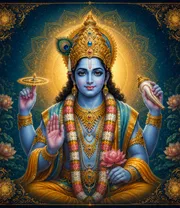
Baba Gangaram is a folk saint venerated chiefly in Jhunjhunu, a district of the Shekhawati region of Rajasthan and part of the Marwari-speaking heartland of the state — some catalog metadata circulating for this text mislabels the association as a “Regional (Punjab/Haryana)” observance, but neither the chalisa’s own verses nor Baba Gangaram’s dedicated temple organization support that; both root him specifically in Jhunjhunu. Devotees regard him as an incarnation of Vishnu, a claim the chalisa itself makes in its opening dohas (“बाबा गंगारामजी, हुए विष्णु अवतार” — “Baba Gangaramji became an avatar of Vishnu”). The Baba Gangaram Chalisa is a Hindi devotional composition of two opening dohas and forty chaupai couplets, composed in the same Awadhi/Braj-inflected literary idiom conventional to the chalisa genre generally (the verb forms “करहिं,” “बसहिं,” “भयेऊ,” and similar are shared across this genre, not distinctly Marwari vocabulary) even though the saint’s own home region and devotee base are Marwari-speaking.
Origin and source
The chalisa’s closing chaupai identifies its composer only by the name “Mahavir” (“‘महावीर’ धर ध्यान पुनीता, विरचेउ गंगाराम सुगीता” — “Mahavir, holding sacred meditation, composed this Gangaram song”), with no further biographical detail available; this page treats the chalisa as that writer’s composition within the wider oral and print tradition surrounding Baba Gangaram’s worship.
The verses recount that Baba Gangaram was born into a Vaishya (merchant-caste) household (“वैश्य वंश प्रकटे अवतारी”), lived a life of austerity, and after forty years left his body and was thereafter regarded as a deity (“एहि विधि चालीस वर्ष बिताये। अन्त देह तजि देव कहाये”). Following his death, he is said to have appeared in a vision to a devotee named Devakinandan and given darshan to his own son, instructing them in the religious duties to follow — a heavenly voice then confirmed his standing alongside Brahma, Vishnu, Shiva, and Ganesha. Devakinandan is not a minor detail invented for this page: Baba Gangaram’s own temple organization observes a separate “Bhakt Shiromani Devakinandan” (also spelled Deokinandan) anniversary alongside Baba Gangaram’s, and its own published chalisa-and-aarti booklet includes a distinct Devakinandan Chalisa alongside this one.
This page cross-checks its text against that booklet — “Chalisa evam Aarti Sangrah,” published by Baba Gangaram’s own dedicated temple organization at babagangaram.com — as well as independently maintained Hindi devotional-reference sites that carry the same forty-couplet composition, and presents one complete, internally consistent version rather than combining lines from variant printings.
The English meanings printed with the verses were made for this page from the Devanagari above; the devotional reference text cross-checked for this page carries all forty-three verses in the same order and, compared verse by verse, in the same words but for two spellings (संदेश / सन्देश, प्रात: / प्रातः). It carries no gloss, so the rendering here is this page’s own. सत सत in Chaupai 4 is left out of the English, since सत can be either “hundred” or “true” and the couplet gives nothing to decide between them. Two lines are read in ways worth naming. “सुखसंतोष लहै न मन में” (Chaupai 23) is taken as a rhetorical question — does the devotee not find contentment there — because the न otherwise negates the blessing the couplet is plainly giving. “गंगाराम उभय सुनिशानी” (Chaupai 29) is read as the Ganga’s water and Gangaram’s name sharing one token, since the couplet’s first half is about the river carrying the drowning across. One point of correspondence is narrower than it may look: Chaupai 11 says the dream was shown to निज कुल जन, the people of his own line, and does not name Devakinandan — that identification comes from the temple organization’s own materials, described above, and not from this verse.
How it is recited
The Baba Gangaram Chalisa is recited by devotees at the Panchdev Mandir in Jhunjhunu, Rajasthan — the temple the chalisa itself names as “पंचदेव मन्दिर विख्याता,” renowned, with a constant stream of devotees for darshan — and by the Baba Gangaram Seva Samitis that devotee communities have organized in cities across India. It is heard most widely during the Ganga Dashahara mela the chalisa places in Jhunjhunu (“गंगा दशहरा लागहिं मेला, नगर झुंझनूं मँह शुभ बेला”), and at the annual Jayanti and Ashirwad Diwas observances held in Baba Gangaram’s honor.
Frequently asked questions
How many verses does Baba Gangaram Chalisa have?
Who is Baba Gangaram Chalisa dedicated to?
When is Baba Gangaram Chalisa typically recited?
What language is Baba Gangaram Chalisa composed in?
What tradition is Baba Gangaram Chalisa associated with?
Is an English translation of Baba Gangaram Chalisa available?
Is there a Roman transliteration of Baba Gangaram Chalisa?
Sourcing
Checked against independent sources before publishing — see our sourcing and editorial policy. Spotted an error? Report an issue .