The text
Tap Recite along to follow verse by verse — use Next, or the arrow keys.
- Verse 1
कर्पूरगौरं करुणावतारं संसारसारं भुजगेन्द्रहारम् ।सदावसन्तं हृदयारविन्दे भवं भवानीसहितं नमामि ॥
karpūragauraṃ karuṇāvatāraṃ saṃsārasāraṃ bhujagendrahāram ।sadāvasantaṃ hṛdayāravinde bhavaṃ bhavānīsahitaṃ namāmi ॥
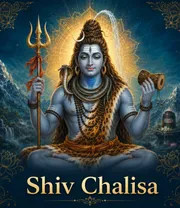
Camphor-white, the incarnation of compassion, the essence of existence, wearing the king of serpents as a garland — always dwelling in the lotus of the heart — I bow to Bhava, together with Bhavani.
Overview
Karpur Gauram is a single Sanskrit shloka — two lines, four padas — sung or recited as the closing verse immediately after a Shiva aarti or a short round of Shiva worship. It describes Shiva as camphor-white and as compassion itself, before closing with a salutation to him together with Bhavani (Parvati). It is one of the most widely known closing verses in Shiva devotion, recognized across regions and traditions even by those who know little other Sanskrit.
Origin and source
This is the same verse already documented in this site’s mantra collection as “Karpuragauram Karunavataram” — the two pages exist because mantras (short verses repeated as japa) and aarti (devotional songs and their closing verses) are modeled as separate sections of this site, and this shloka is genuinely used in both contexts: sung as a standalone closing verse after aarti, and also chanted on its own. The Devanagari and IAST text here is carried over unchanged from the verified mantra-collection entry rather than re-transcribed, so the two pages stay in exact agreement rather than risking a variant wording.
Like many closing verses in daily devotional practice, it circulates without a single settled scriptural citation — it is best described as a traditional Sanskrit dhyana (meditation) verse rather than attributed to one particular Purana or scripture.
How it is recited
Karpur Gauram is typically recited or sung once, right after the concluding motions of a Shiva aarti — as the lamp is still being circled or just after it is set down — rather than counted in repetitions on a mala. Its short length and steady rhythm mean it is usually known from memory, which is part of why it has remained a fixture at the close of Shiva puja in homes and temples across India.
Frequently asked questions
How many verses does Karpur Gauram have?
Who is Karpur Gauram dedicated to?
When is Karpur Gauram typically recited?
What language is Karpur Gauram composed in?
What tradition is Karpur Gauram associated with?
Is an English translation of Karpur Gauram available?
Is there a Roman transliteration of Karpur Gauram?
Sourcing
Checked against independent sources before publishing — see our sourcing and editorial policy. Spotted an error? Report an issue .