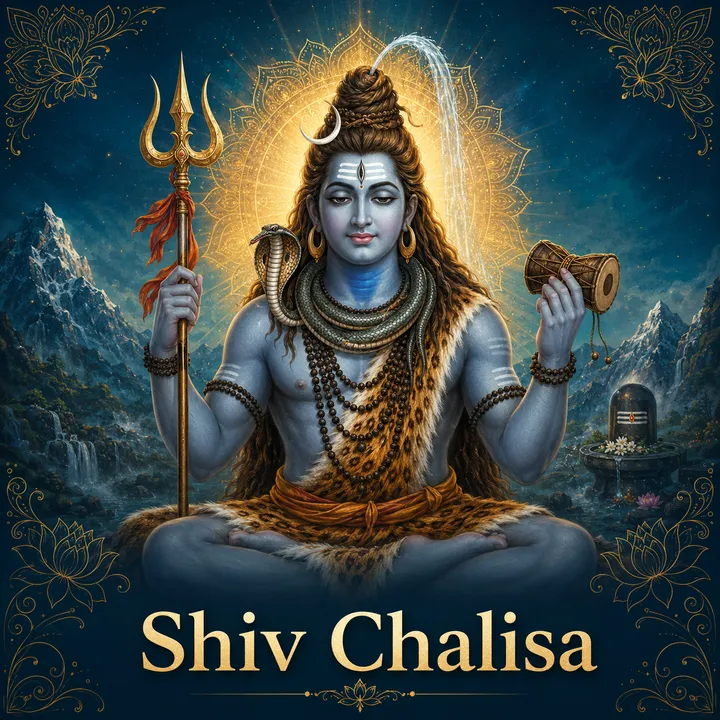
The text
Tap Recite along to follow verse by verse — use Next, or the arrow keys.
- Opening doha
- Doha
जय गणेश गिरिजा सुवन, मंगल मूल सुजान।कहत अयोध्यादास तुम, देहु अभय वरदान॥
jaya gaṇeśa girijā suvana, maṅgala mūla sujāna।kahata ayodhyādāsa tuma, dehu abhaya varadāna॥
Victory to Ganesha, son of Girija (Parvati), the wise source of all auspiciousness. Ayodhyadas says: grant me the boon of fearlessness.
- The 40 chaupais
- Chaupai 1
जय गिरिजा पति दीन दयाला।सदा करत सन्तन प्रतिपाला॥
jaya girijā pati dīna dayālā।sadā karata santana pratipālā॥
Victory to the husband of Girija (Parvati), compassionate to the humble — you forever care for and protect your devotees.
- Chaupai 2
भाल चन्द्रमा सोहत नीके।कानन कुण्डल नागफनी के॥
bhāla candramā sohata nīke।kānana kuṇḍala nāgaphanī ke॥
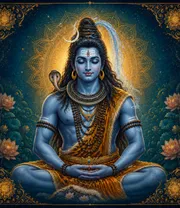
The crescent moon shines beautifully on your forehead; in your ears you wear earrings made from a cobra's hood.
- Chaupai 3
अंग गौर शिर गंग बहाये।मुण्डमाल तन क्षार लगाये॥
aṅga gaura śira gaṅga bahāye।muṇḍamāla tana kṣāra lagāye॥
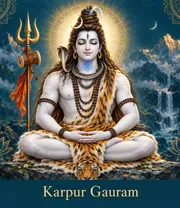
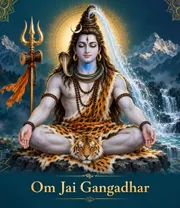
Fair of body, with the Ganga flowing from your head; you wear a garland of skulls, and ash is smeared upon your form.
- Chaupai 4
वस्त्र खाल बाघम्बर सोहे।छवि को देखि नाग मुनि मोहे॥
vastra khāla bāghambara sohe।chavi ko dekhi nāga muni mohe॥
A tiger's hide serves as your garment; seeing your form, serpents and sages alike are enchanted.
- Chaupai 5
मैना मातु की हवे दुलारी।बाम अंग सोहत छवि न्यारी॥
mainā mātu kī have dulārī।bāma aṅga sohata chavi nyārī॥
The beloved daughter of Mother Maina (Parvati) — her singular beauty graces your left side.
- Chaupai 6
कर त्रिशूल सोहत छवि भारी।करत सदा शत्रुन क्षयकारी॥
kara triśūla sohata chavi bhārī।karata sadā śatruna kṣayakārī॥
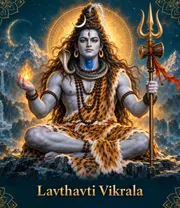
The trident in your hand shines with great splendor, forever bringing destruction upon your foes.
- Chaupai 7
नंदि गणेश सोहैं तहँ कैसे।सागर मध्य कमल हैं जैसे॥
nandi gaṇeśa sohaĩ tahã kaise।sāgara madhya kamala haĩ jaise॥
Nandi and Ganesha shine there beside you, like lotuses rising in the midst of the ocean.
- Chaupai 8
कार्तिक श्याम और गणराऊ।या छवि को कहि जात न काऊ॥
kārtika śyāma aura gaṇarāū।yā chavi ko kahi jāta na kāū॥
Kartikeya, dark of hue, and the chief of your ganas are also there — this beauty cannot be described by anyone.
- Chaupai 9
देवन जबहीं जाय पुकारा।तबहिं दुख प्रभु आप निवारा॥
devana jabahī̃ jāya pukārā।tabahĩ dukha prabhu āpa nivārā॥
Whenever the gods went and called out to you in distress, you yourself, O Lord, removed their suffering at once.
- Chaupai 10
किया उपद्रव तारक भारी।देवन सब मिलि तुमहिं जुहारी॥
kiyā upadrava tāraka bhārī।devana saba mili tumahĩ juhārī॥
When the demon Taraka wrought great havoc, all the gods came together and bowed before you.
- Chaupai 11
तुरत षडानन आप पठायउ।लव निमेष महँ मारि गिरायउ॥
turata ṣaḍānana āpa paṭhāyau।lava nimeṣa mahã māri girāyau॥
At once you sent forth the six-faced one (Kartikeya), who struck the demon down in the blink of an eye.
- Chaupai 12
आप जलंधर असुर संहारा।सुयश तुम्हार विदित संसारा॥
āpa jalandhara asura saṃhārā।suyaśa tumhāra vidita saṃsārā॥
You yourself destroyed the demon Jalandhara; your fine renown for this is known throughout the world.
- Chaupai 13
त्रिपुरासुर सन युद्ध मचाई।सबहिं कृपा कर लीन बचाई॥
tripurāsura sana yuddha macāī।sabahĩ kṛpā kara līna bacāī॥
You waged war against the demon Tripurasura, and by your grace saved everyone from him.
- Chaupai 14
किया तपहिं भागीरथ भारी।पुरब प्रतिज्ञा तासु पुरारी॥
kiyā tapahĩ bhāgīratha bhārī।puraba pratijñā tāsu purārī॥
Bhagiratha performed great austerity; O Purari (destroyer of the demon cities), you fulfilled his former vow.
- Chaupai 15
दानिन महँ तुम सम कोउ नाहीं।सेवक स्तुति करत सदाहीं॥
dānina mahã tuma sama kou nāhī̃।sevaka stuti karata sadāhī̃॥
Among the generous, there is none equal to you; your servants forever sing your praise.
- Chaupai 16
वेद नाम महिमा तव गाई।अकथ अनादि भेद नहिं पाई॥
veda nāma mahimā tava gāī।akatha anādi bheda nahĩ pāī॥
The Vedas sing the glory of your name, yet even they cannot find the secret of your indescribable, beginningless nature.
- Chaupai 17
प्रगट उदधि मंथन में ज्वाला।जरत सुरासुर भए विहाला॥
pragaṭa udadhi manthana meṃ jvālā।jarata surāsura bhae vihālā॥
When the churning of the ocean brought forth a terrible flame — the poison halahala — the gods and demons alike were scorched and thrown into anguish.
- Chaupai 18
कीन्ह दया तहँ करी सहाई।नीलकंठ तब नाम कहाई॥
kīnha dayā tahã karī sahāī।nīlakaṇṭha taba nāma kahāī॥
There you showed mercy and came to their aid, swallowing the poison — and from that you came to be called Nilakantha, the blue-throated one.
- Chaupai 19
पूजन रामचंद्र जब कीन्हा।जीत के लंक विभीषण दीन्हा॥
pūjana rāmacandra jaba kīnhā।jīta ke laṅka vibhīṣaṇa dīnhā॥
When Ramachandra performed worship to you, he went on to conquer Lanka and gave its throne to Vibhishana.
- Chaupai 20
सहस कमल में हो रहे धारी।कीन्ह परीक्षा तबहिं पुरारी॥
sahasa kamala meṃ ho rahe dhārī।kīnha parīkṣā tabahĩ purārī॥
He was offering worship with a thousand lotus flowers; then Purari (Shiva) decided to put him to the test.
- Chaupai 21
एक कमल प्रभु राखेउ जोई।कमल नयन पूजन चहं सोई॥
eka kamala prabhu rākheu joī।kamala nayana pūjana cahaṃ soī॥
The Lord kept back one lotus, so that the lotus-eyed one (Rama) would offer his own eye in worship instead.
- Chaupai 22
कठिन भक्ति देखी प्रभु शंकर।भए प्रसन्न दिए इच्छित वर॥
kaṭhina bhakti dekhī prabhu śaṅkara।bhae prasanna die icchita vara॥
Seeing such unwavering devotion, Lord Shankar was pleased, and granted the boon that was desired.
- Chaupai 23
जय जय जय अनंत अविनाशी।करत कृपा सब के घटवासी॥
jaya jaya jaya ananta avināśī।karata kṛpā saba ke ghaṭavāsī॥
Victory, victory, victory to the infinite, imperishable one, who dwells in every heart and grants grace to all.
- Chaupai 24
दुष्ट सकल नित मोहि सतावै।भ्रमत रहे मोहि चैन न आवै॥
duṣṭa sakala nita mohi satāvai।bhramata rahe mohi caina na āvai॥
The wicked constantly torment me; I remain restless, and no peace comes to me.
- Chaupai 25
त्राहि त्राहि मैं नाथ पुकारो।यहि अवसर मोहि आन उबारो॥
trāhi trāhi maĩ nātha pukāro।yahi avasara mohi āna ubāro॥
"Save me, save me," O Lord, I cry out — at this moment, come and rescue me.
- Chaupai 26
लै त्रिशूल शत्रुन को मारो।संकट से मोहि आन उबारो॥
lai triśūla śatruna ko māro।saṅkaṭa se mohi āna ubāro॥
Take up your trident and strike down my enemies; come and deliver me from this distress.
- Chaupai 27
मात-पिता भ्राता सब कोई।संकट में पूछत नहिं कोई॥
māta-pitā bhrātā saba koī।saṅkaṭa meṃ pūchata nahĩ koī॥
Mother, father, brother — everyone is there in good times, but in a time of distress, no one comes asking after me.
- Chaupai 28
स्वामी एक है आस तुम्हारी।आय हरहु अब संकट भारी॥
svāmī eka hai āsa tumhārī।āya harahu aba saṅkaṭa bhārī॥
O Lord, you alone are my hope; come now and take away this heavy distress.
- Chaupai 29
धन निर्धन को देत सदा ही।जो कोई जांचे वो फल पाही॥
dhana nirdhana ko deta sadā hī।jo koī jāṃce vo phala pāhī̃॥
You forever give wealth to the poor; whoever asks of you receives the fruit of it.
- Chaupai 30
अस्तुति केहि विधि करौं तुम्हारी।क्षमहु नाथ अब चूक हमारी॥
astuti kehi vidhi karauṃ tumhārī।kṣamahu nātha aba cūka hamārī॥
In what way can I offer you fitting praise? Forgive, O Lord, my faults and shortcomings.
- Chaupai 31
शंकर हो संकट के नाशन।मंगल कारण विघ्न विनाशन॥
śaṅkara ho saṅkaṭa ke nāśana।maṅgala kāraṇa vighna vināśana॥
O Shankar, destroyer of distress, cause of all that is auspicious, remover of obstacles —
- Chaupai 32
योगी यति मुनि ध्यान लगावैं।नारद शारद शीश नवावैं॥
yogī yati muni dhyāna lagāvaĩ।nārada śārada śīśa navāvaĩ॥
Yogis, ascetics, and sages fix their meditation upon you; Narada and Sharada (Sarasvati) bow their heads before you.
- Chaupai 33
नमो नमो जय नमो शिवाय।सुर ब्रह्मादिक पार न पाय॥
namo namo jaya namo śivāya।sura brahmādika pāra na pāya॥
Salutations, salutations, victory, salutations to Shiva — even the gods, beginning with Brahma, cannot find the limit of your glory.
- Chaupai 34
जो यह पाठ करे मन लाई।ता पर होत है शंभु सहाई॥
jo yaha pāṭha kare mana lāī।tā para hota hai śambhu sahāī॥
Whoever recites this text with a focused mind receives the help of Shambhu (Shiva).
- Chaupai 35
ऋणी जो कोई हो अधिकारी।पाठ करे सो पावन हारी॥
ṛṇī jo koī ho adhikārī।pāṭha kare so pāvana hārī॥
Whoever is burdened by debt and recites this is freed from it and made pure.
- Chaupai 36
पुत्र हीन कर इच्छा जोई।निश्चय शिव प्रसाद तेहि होई॥
putra hīna kara icchā joī।niścaya śiva prasāda tehi hoī॥
Whoever, being without a child, holds this wish, certainly obtains it through Shiva's grace.
- Chaupai 37
पंडित त्रयोदशी को लावे।ध्यान पूर्वक होम करावे॥
paṇḍita trayodaśī ko lāve।dhyāna pūrvaka homa karāve॥
Let one bring a learned priest on the thirteenth lunar day (Trayodashi), and have a fire ritual performed with careful attention.
- Chaupai 38
त्रयोदशी व्रत करै हमेशा।ताके तन नहीं रहै कलेशा॥
trayodaśī vrata karai hameśā।tāke tana nahī̃ rahai kaleśā॥
Whoever keeps the Trayodashi fast at all times will have no affliction remaining in the body.
- Chaupai 39
धूप दीप नैवेद्य चढ़ावे।शंकर सम्मुख पाठ सुनावे।जन्म जन्म के पाप नसावे।अन्तवास शिवपुर में पावे॥
dhūpa dīpa naivedya caḍhāve।śaṅkara sammukha pāṭha sunāve।janma janma ke pāpa nasāve।antavāsa śivapura meṃ pāve॥
Let incense, a lamp, and food offerings be made, and this text recited before Shankar — the sins of birth after birth are then destroyed, and a final home in Shiva's own abode is attained.
- Chaupai 40
कहैं अयोध्यादास आस तुम्हारी।जानि सकल दुःख हरहु हमारी॥
kahaĩ ayodhyādāsa āsa tumhārī।jāni sakala duḥkha harahu hamārī॥
Ayodhyadas says: my hope rests in you alone — knowing this, take away all of my suffering.
- Closing doha
- Doha (closing)
नित्त नेम कर प्रातः ही, पाठ करौं चालीसा।तुम मेरी मनोकामना, पूर्ण करो जगदीश॥
nitta nema kara prātaḥ hī, pāṭha karauṃ cālīsā।tuma merī manokāmanā, pūrṇa karo jagadīśa॥
As my daily rule, I recite this chalisa each morning: O Lord of the universe, fulfill my heart's desire.
Overview
The Shiv Chalisa is a devotional composition of forty verses (chalis, “forty,” in Hindi) in praise of Shiva, framed by an opening doha and a closing doha. It is one of the most widely recited Shaiva texts in Hindu devotional practice, chanted by devotees across India and the diaspora — at home, in temples, and especially during the month of Sawan (Shravan), when Shiva worship intensifies across North India.
Origin and source
The Shiv Chalisa is traditionally attributed to a poet named Ayodhyadas, who names himself within the text itself — much as Tulsidas names himself in the closing verses of the Hanuman Chalisa — though little else is definitively known about him. Composed in Hindi, the chaupai recount episodes from Shiva’s mythology: his form and appearance on Mount Kailash, his destruction of the demons Taraka, Jalandhara, and Tripurasura, his drinking of the poison that arose from the churning of the ocean (from which he takes the name Nilakantha, “blue-throated”), and his testing of Rama’s devotion during a thousand-lotus worship before the war in Lanka. The later verses turn from myth to personal prayer, asking for relief from distress, and describe the benefits said to come from reciting the text — a structure common to many chalisas.
How it is recited
The Shiv Chalisa is recited daily by many devotees, and is especially associated with Monday, the day most closely linked to Shiva in Hindu practice, as well as with Mahashivratri and the month of Sawan. It is commonly recited after abhisheka — the ritual bathing of the Shiva lingam — or alongside the aarti “Om Jai Shiv Omkara.” The text itself, in chaupai 37 and 38, describes a more elaborate observance: engaging a priest for a fire ritual and keeping a fast on Trayodashi, the thirteenth day of the lunar fortnight, a day traditionally associated with Shiva worship.
Frequently asked questions
How many verses does Shiv Chalisa have?
Who is Shiv Chalisa dedicated to?
When is Shiv Chalisa typically recited?
What language is Shiv Chalisa composed in?
What tradition is Shiv Chalisa associated with?
Is an English translation of Shiv Chalisa available?
Is there a Roman transliteration of Shiv Chalisa?
Sourcing
Checked against independent sources before publishing — see our sourcing and editorial policy. Spotted an error? Report an issue .