The text
Tap Recite along to follow verse by verse — use Next, or the arrow keys.
- Opening doha
- Doha (opening)
श्री राधापद कमल रज, सिर धरि यमुना कूल।वरणो चालीसा सरस, सकल सुमंगल मूल॥
śrī rādhāpada kamala raja, sira dhari yamunā kūla।varaṇo cālīsā sarasa, sakala sumaṃgala mūla॥
Bearing the dust of Radha's lotus feet upon my head, seated on the bank of the Yamuna, I compose this sweet Chalisa — the root of every auspicious thing.
- The 41 chaupais
- Chaupai 1
जय जय पूरण ब्रह्म बिहारी।दुष्ट दलन लीला अवतारी॥
jaya jaya pūraṇa brahma bihārī।duṣṭa dalana līlā avatārī॥
Victory, victory to the complete Brahman at play, whose playful descents crush the wicked.
- Chaupai 2
जो कोई तुम्हरी लीला गावै।बिन श्रम सकल पदारथ पावै॥
jo koī tumharī līlā gāvai।bina śrama sakala padāratha pāvai॥
Whoever sings of your divine play obtains every treasure without effort.
- Chaupai 3
श्री वसुदेव देवकी माता।प्रकट भये संग हलधर भ्राता॥
śrī vasudeva devakī mātā।prakaṭa bhaye saṃga haladhara bhrātā॥
You appeared to Vasudeva and mother Devaki, together with your brother Haladhar (Balaram).
- Chaupai 4
मथुरा सों प्रभु गोकुल आये।नन्द भवन में बजत बधाये॥
mathurā soṃ prabhu gokula āye।nanda bhavana meṃ bajata badhāye॥
From Mathura, Lord, you came to Gokul; in Nanda's house, songs of celebration rang out.
- Chaupai 5
जो विष देन पूतना आई।सो मुक्ति दै धाम पठाई॥
jo viṣa dena pūtanā āī।so mukti dai dhāma paṭhāī॥
Putana, who came to give you poison, you granted liberation and sent on to your own abode.
- Chaupai 6
तृणावर्त राक्षस संहार्यौ।पग बढ़ाय सकटासुर मार्यौ॥
tṛṇāvarta rākṣasa saṃhāryau।paga baḍhāya sakaṭāsura māryau॥
You destroyed the demon Trinavarta, and with a thrust of your foot slew Sakatasura.
- Chaupai 7
खेल खेल में माटी खाई।मुख में सब जग दियो दिखाई॥
khela khela meṃ māṭī khāī।mukha meṃ saba jaga diyo dikhāī॥
In your childhood play you ate earth, and showed the whole universe within your mouth.
- Chaupai 8
गोपिन घर घर माखन खायो।जसुमति बाल केलि सुख पायो॥
gopina ghara ghara mākhana khāyo।jasumati bāla keli sukha pāyo॥
You ate butter from the homes of the gopis, and Yashoda found joy in your childhood play.
- Chaupai 9
ऊखल सों निज अंग बँधाई।यमलार्जुन जड़ योनि छुड़ाई॥
ūkhala soṃ nija aṃga bãdhāī।yamalārjuna jaḍa yoni chuḍāī॥
You let your body be bound to the grinding-mortar, and freed the twin Arjuna trees from their tree-bound state.
- Chaupai 10
बका असुर की चोंच विदारी।विकट अघासुर दियो सँहारी॥
bakā asura kī coṃca vidārī।vikaṭa aghāsura diyo sãhārī॥
You tore apart the beak of the demon Baka, and destroyed the terrible demon Aghasura.
- Chaupai 11
ब्रह्मा बालक वत्स चुराये।मोहन को मोहन हित आये॥
brahmā bālaka vatsa curāye।mohana ko mohana hita āye॥
When Brahma stole away the cowherd boys and calves, you came to enchant the enchanter himself.
- Chaupai 12
बाल वत्स सब बने मुरारी।ब्रह्मा विनय करी तब भारी॥
bāla vatsa saba bane murārī।brahmā vinaya karī taba bhārī॥
You yourself, Murari, became every boy and every calf; then Brahma offered you his deepest humility.
- Chaupai 13
काली नाग नाथि भगवाना।दावानल को कीन्हों पाना॥
kālī nāga nāthi bhagavānā।dāvānala ko kīnhoṃ pānā॥
O Lord, you subdued the serpent Kaliya, and drank up the forest fire.
- Chaupai 14
सखन संग खेलत सुख पायो।श्रीदामा निज कन्ध चढ़ायो॥
sakhana saṃga khelata sukha pāyo।śrīdāmā nija kandha caḍhāyo॥
You found joy playing with your friends, and carried Shridama upon your own shoulders.
- Chaupai 15
चीर हरन करि सीख सिखाई।नख पर गिरवर लियो उठाई॥
cīra harana kari sīkha sikhāī।nakha para giravara liyo uṭhāī॥
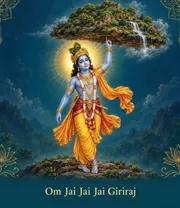
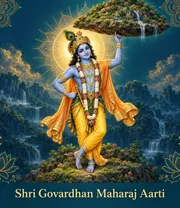
By taking away their garments you gave the gopis a lesson, and you lifted the great mountain upon a fingertip.
- Chaupai 16
दरश यज्ञ पत्निन को दीन्हों।राधा प्रेम सुधा सुख लीन्हों॥
daraśa yajña patnina ko dīnhoṃ।rādhā prema sudhā sukha līnhoṃ॥
You gave your sight to the wives of the sacrifice-performing priests, and drank the nectar-joy of Radha's love.
- Chaupai 17
नन्दहिं वरुण लोक सों लाये।ग्वालन को निज लोक दिखाये॥
nandahiṃ varuṇa loka soṃ lāye।gvālana ko nija loka dikhāye॥
You brought Nanda back from Varuna's realm, and revealed your own divine world to the cowherds.
- Chaupai 18
शरद चन्द्र लखि वेणु बजाई।अति सुख दीन्हों रास रचाई॥
śarada candra lakhi veṇu bajāī।ati sukha dīnhoṃ rāsa racāī॥
Seeing the autumn moon, you played your flute, and gave great joy by staging the Raas dance.
- Chaupai 19
अजगर सों पितु चरण छुड़ायो।शंखचूड़ को मूड़ गिरायो॥
ajagara soṃ pitu caraṇa chuḍāyo।śaṃkhacūḍa ko mūḍa girāyo॥
You freed your father's feet from a python's grip, and struck off the head of Shankhachuda.
- Chaupai 20
हने अरिष्टा सुर अरु केशी।व्योमासुर मार्यो छल वेषी॥
hane ariṣṭā sura aru keśī।vyomāsura māryo chala veṣī॥
You slew the demons Arishtasura and Keshi, and killed Vyomasura, who had come in disguise.
- Chaupai 21
व्याकुल ब्रज तजि मथुरा आये।मारि कंस यदुवंश बसाये॥
vyākula braja taji mathurā āye।māri kaṃsa yaduvaṃśa basāye॥
Leaving grief-stricken Braj, you came to Mathura; slaying Kansa, you re-established the Yadava line.
- Chaupai 22
मात पिता की बन्दि छुड़ाई।सान्दीपनि गृह विद्या पाई॥
māta pitā kī bandi chuḍāī।sāndīpani gṛha vidyā pāī॥
You freed your mother and father from imprisonment, and gained learning in the house of the sage Sandipani.
- Chaupai 23
पुनि पठयौ ब्रज ऊधौ ज्ञानी।प्रेम देखि सुधि सकल भुलानी॥
puni paṭhayau braja ūdhau jñānī।prema dekhi sudhi sakala bhulānī॥
You then sent the wise Uddhav to Braj; seeing the gopis' love, he forgot all his own learning.
- Chaupai 24
कीन्हीं कुबरी सुन्दर नारी।हरि लाये रुक्मिणि सुकुमारी॥
kīnhīṃ kubarī sundara nārī।hari lāye rukmiṇi sukumārī॥
You made the hunchbacked woman beautiful; Hari, you brought home the gentle Rukmini.
- Chaupai 25
भौमासुर हनि भक्त छुड़ाये।सुरन जीति सुरतरु महि लाये॥
bhaumāsura hani bhakta chuḍāye।surana jīti surataru mahi lāye॥
By killing Bhaumasura you freed his captives; defeating the gods, you brought the wish-fulfilling tree down to earth.
- Chaupai 26
दन्तवक्र शिशुपाल संहारे।खग मृग नृग अरु बधिक उधारे॥
dantavakra śiśupāla saṃhāre।khaga mṛga nṛga aru badhika udhāre॥
You destroyed Dantavakra and Shishupala, and delivered a bird, a deer, King Nriga, and a hunter alike.
- Chaupai 27
दीन सुदामा धनपति कीन्हों।पारथ रथ सारथि यश लीन्हों॥
dīna sudāmā dhanapati kīnhoṃ।pāratha ratha sārathi yaśa līnhoṃ॥
You made the poor Sudama a lord of wealth, and earned glory as Partha's (Arjuna's) charioteer.
- Chaupai 28
गीता ज्ञान सिखावन हारे।अर्जुन मोह मिटावन हारे॥
gītā jñāna sikhāvana hāre।arjuna moha miṭāvana hāre॥
You are the one who taught the wisdom of the Gita, dispelling Arjuna's delusion.
- Chaupai 29
केला भक्त बिदुर घर पायो।युद्ध महाभारत रचवायो॥
kelā bhakta bidura ghara pāyo।yuddha mahābhārata racavāyo॥
In devotee Vidura's home you received his humble offering of bananas; you brought about the great war of the Mahabharata.
- Chaupai 30
द्रुपद सुता को चीर बढ़ायो।गर्भ परीक्षित जरत बचायो॥
drupada sutā ko cīra baḍhāyo।garbha parīkṣita jarata bacāyo॥
You lengthened the garment of Drupada's daughter (Draupadi), and saved Parikshit as he burned in the womb.
- Chaupai 31
कच्छ मच्छ वाराह अहीशा।बावन कल्की बुद्धि मुनीशा॥
kaccha maccha vārāha ahīśā।bāvana kalkī buddhi munīśā॥
As the tortoise, the fish, the boar, and the serpent-throned lord; as the dwarf, and as Kalki, the wise lord of sages —
- Chaupai 32
ह्वै नृसिंह प्रह्लाद उबार्यो।राम रुप धरि रावण मार्यो॥
hvai nṛsiṃha prahlāda ubāryo।rāma rupa dhari rāvaṇa māryo॥
— becoming Narasimha you rescued Prahlad, and taking the form of Ram you slew Ravana.
- Chaupai 33
जय मधु कैटभ दैत्य हनैया।अम्बरीष प्रिय चक्र धरैया॥
jaya madhu kaiṭabha daitya hanaiyā।ambarīṣa priya cakra dharaiyā॥
Victory to you, slayer of the demons Madhu and Kaitabha — bearer of the discus dear to Ambarish.
- Chaupai 34
ब्याध अजामिल दीन्हें तारी।शबरी अरु गणिका सी नारी॥
byādha ajāmila dīnheṃ tārī।śabarī aru gaṇikā sī nārī॥
You carried across the hunter and Ajamila, and women such as Shabari and the courtesan.
- Chaupai 35
गरुड़ासन गज फन्द निकन्दन।देहु दरश ध्रुव नयनानन्दन॥
garuḍāsana gaja phanda nikandana।dehu daraśa dhruva nayanānandana॥
Mounted on Garuda, freer of the elephant from the crocodile's snare — grant your sight, O joy of Dhruva's eyes.
- Chaupai 36
देहु शुद्ध सन्तन कर सङ्गा।बाढ़ै प्रेम भक्ति रस रङ्गा॥
dehu śuddha santana kara saṅgā।bāḍhai prema bhakti rasa raṅgā॥
Grant the company of pure saints, so that the color of loving devotion may deepen.
- Chaupai 37
देहु दिव्य वृन्दावन बासा।छूटै मृग तृष्णा जग आशा॥
dehu divya vṛndāvana bāsā।chūṭai mṛga tṛṣṇā jaga āśā॥
Grant a home in the divine Vrindavan, so that the mirage of worldly desire may fall away.
- Chaupai 38
तुम्हरो ध्यान धरत शिव नारद।शुक सनकादिक ब्रह्म विशारद॥
tumharo dhyāna dharata śiva nārada।śuka sanakādika brahma viśārada॥
Shiva and Narada hold you in meditation, as do Shuka, Sanaka, and the other sages learned in Brahman.
- Chaupai 39
जय जय राधारमण कृपाला।हरण सकल संकट भ्रम जाला॥
jaya jaya rādhāramaṇa kṛpālā।haraṇa sakala saṃkaṭa bhrama jālā॥
Victory, victory to the gracious beloved of Radha, remover of every calamity and web of delusion.
- Chaupai 40
बिनसैं बिघन रोग दुःख भारी।जो सुमरैं जगपति गिरधारी॥
binasaiṃ bighana roga duḥkha bhārī।jo sumaraiṃ jagapati giradhārī॥
Every obstacle, illness, and heavy sorrow is destroyed for one who remembers you, Lord of the world, bearer of the mountain.
- Chaupai 41
जो सत बार पढ़ै चालीसा।देहि सकल बाँछित फल शीशा॥
jo sata bāra paḍhai cālīsā।dehi sakala bā̃chita phala śīśā॥
Whoever recites this Chalisa a hundred times is granted the full fruit of every heartfelt wish.
- The 2 chhands
- Chhand 1
गोपाल चालीसा पढ़ै नित, नेम सों चित्त लावई।सो दिव्य तन धरि अन्त महँ, गोलोक धाम सिधावई॥
gopāla cālīsā paḍhai nita, nema soṃ citta lāvaī।so divya tana dhari anta mahã, goloka dhāma sidhāvaī॥
Whoever recites this Gopal Chalisa daily, fixing the mind upon it with discipline, takes on a divine form at life's end and journeys to Goloka, Krishna's own abode.
- Chhand 2
संसार सुख सम्पत्ति सकल, जो भक्तजन सन महँ चहैं।'जयरामदेव' सदैव सो, गुरुदेव दाया सों लहैं॥
saṃsāra sukha sampatti sakala, jo bhaktajana sana mahã cahaiṃ।'jayarāmadeva' sadaiva so, gurudeva dāyā soṃ lahaiṃ॥
Whatever worldly happiness and prosperity devotees desire, says Jayaramdev, they ever obtain through the grace of the divine teacher.
- Closing doha
- Doha (closing)
प्रणत पाल अशरण शरण, करुणा-सिन्धु ब्रजेश।चालीसा के संग मोहि, अपनावहु प्राणेश॥
praṇata pāla aśaraṇa śaraṇa, karuṇā-sindhu brajeśa।cālīsā ke saṃga mohi, apanāvahu prāṇeśa॥
Protector of the surrendered, refuge of the refugeless, ocean of compassion, Lord of Braj — together with this Chalisa, Lord of my life, accept me as your own.
Overview
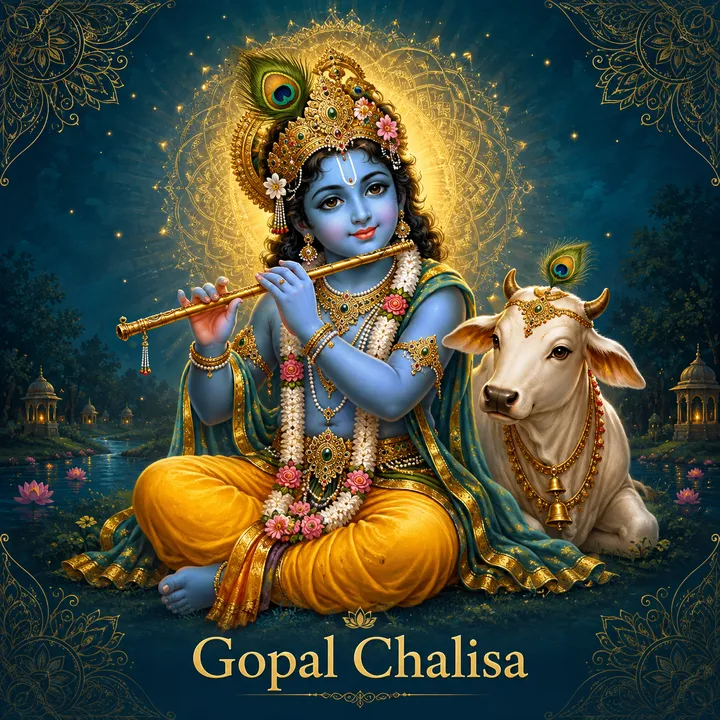
The Gopal Chalisa is a Hindi devotional composition addressed to Gopala — Krishna in his cowherd form, the Bal Gopal of Vrindavan and Gokul who is kept in many homes today as a small murti called Laddu Gopal and tended like a beloved child. Framed by an opening doha, a closing chhand, and a closing doha, its body of forty-one chaupai couplets moves rapidly through the same broad arc of Krishna’s life told across the separately catalogued Krishna Chalisa — birth, Vrindavan childhood, the move to Mathura and Dwarka, the Mahabharata, and the devotees he saved — but the two are distinct compositions from their very first line: the Krishna Chalisa opens by describing his flute and his form (“बंशी शोभित कर मधुर…”), while the Gopal Chalisa opens with an invocation of Radha’s feet on the bank of the Yamuna (“श्री राधापद कमल रज…”), and the two share no verses in common.
Origin and source
This page’s text was cross-checked against several independently published Hindi transcriptions of the Gopal Chalisa, which agree closely on the doha, the forty-one chaupai, the closing chhand, and the closing doha, down to the specific (and less common) episodes named in each couplet. Near the end, in the second half of the closing chhand, the composer names himself directly — “says Jayaramdev, they ever obtain [this] through the grace of the divine teacher” — a bhanita, or poet’s self-naming signature, in keeping with the same convention used in this site’s Ganesh Chalisa (signed by Ramsundar) and Krishna Chalisa (signed by Sundardas). This page follows that internal attribution to a poet named Jayaramdev without asserting a date of composition, since no independent documentary source was found to confirm one beyond the verses themselves.
The couplets narrate Krishna’s birth to Vasudeva and Devaki, his childhood in Gokul and Vrindavan — eating earth and revealing the universe in his mouth, stealing butter, subduing the serpent Kaliya, lifting Govardhan hill, and playing the Raas with the gopis — his years in Mathura and Dwarka, his role in the Mahabharata as Arjuna’s charioteer and teacher of the Gita, and the devotees he is remembered for showing grace to, from the poor Sudama and the tribal devotee Shabari to Ajamila and the elephant Gajendra. A pair of chaupai also briefly names several of Vishnu’s other avatars — the tortoise, the fish, the boar, the dwarf, Narasimha, Ram, and Kalki — alongside Krishna’s own, before the closing chhand and doha describe the benefit of reciting the Chalisa and end with a prayer of surrender to Krishna as Lord of Braj.
How it is recited
The Gopal Chalisa is recited daily by many devotees of Bal Gopal, often as part of the same home worship offered to a Laddu Gopal murti kept in the household shrine, and its recitation is especially observed during Janmashtami, Krishna’s birthday. It remains closely tied to Braj — the Mathura–Vrindavan region where Krishna’s cowherd childhood is set — and, as with other chalisas, popular tradition also associates steady, faithful recitation with blessings for the household and for family happiness, alongside the broader devotional purpose of drawing the mind toward Gopala’s own childhood and grace.
Frequently asked questions
How many verses does Gopal Chalisa have?
Who is Gopal Chalisa dedicated to?
When is Gopal Chalisa typically recited?
What language is Gopal Chalisa composed in?
What tradition is Gopal Chalisa associated with?
Is an English translation of Gopal Chalisa available?
Is there a Roman transliteration of Gopal Chalisa?
Sourcing
Checked against independent sources before publishing — see our sourcing and editorial policy. Spotted an error? Report an issue .