Overview
Diwali is the festival of lamps, kept on the Amavasya (new moon) of Kartika in the purnimanta calendar — the darkest night of the month, answered with rows of oil lamps on every ledge and doorway. The name is a worn-down form of the Sanskrit dīpāvali, “a row of lamps.” In most of India the word means one evening in particular: the third of five days, when households do Lakshmi Puja after sunset. The two days before it (Dhanteras and Naraka Chaturdashi) and the two after (Govardhan Puja and Bhai Dooj) have their own observances, their own stories and, on this site, their own pages.
The stories behind the lamps
No single scripture “founds” Diwali; the lamps gather several stories, and which one a family tells depends on region and lineage.
Rama’s return. In North India the lamps are most often explained by the Ramayana: Rama, Sita and Lakshmana return to Ayodhya after fourteen years of exile and the defeat of Ravana, and the city lights their way home. The Valmiki Ramayana’s Yuddha Kanda describes the return and Rama’s coronation; the lamp-lighting itself belongs to the later devotional retelling of that homecoming rather than to a verse in the epic.
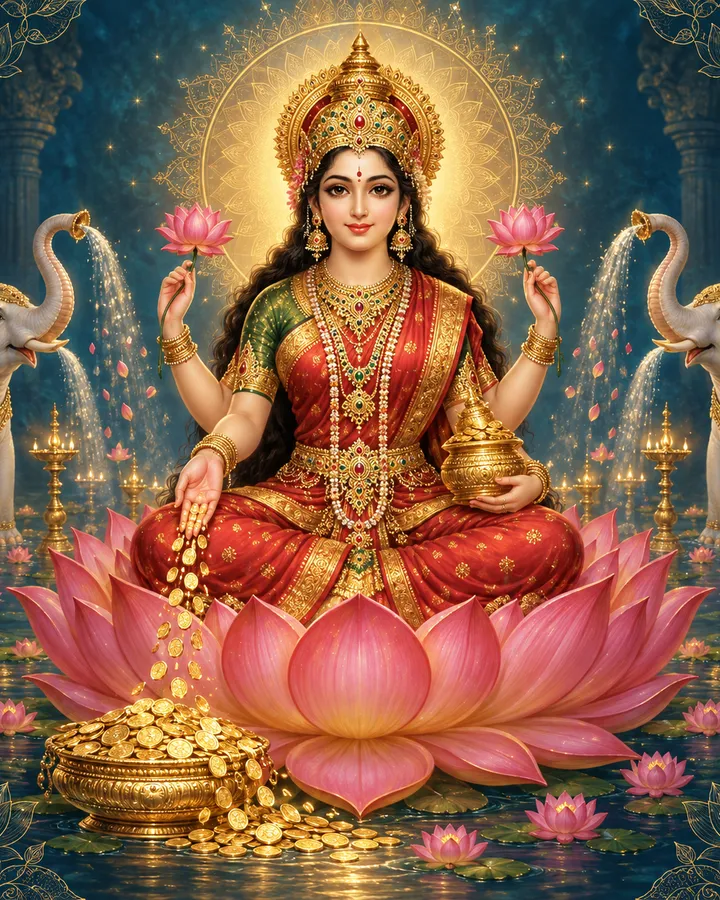
Lakshmi’s appearance. The puja at the centre of the evening is to Lakshmi, and a widely told account places her emergence from the churning of the ocean (Samudra Manthan) on this night. Vaishnava tradition also holds that Lakshmi walks the earth on Kartika Amavasya and enters homes that are clean and lit — the reason for the whitewashing, the rangoli at the threshold and the lamp left burning through the night.
Narakasura. The day before, Naraka Chaturdashi, is tied to Krishna’s slaying of the demon Narakasura, told in the Bhagavata Purana (10.59). In Maharashtra and the south this is the morning of the ritual oil bath before dawn, and in some southern households it is the main Diwali day.
Bali and Vamana. In Kerala and parts of the west, Kartika Pratipada is also Bali Pratipada, the day King Mahabali is allowed to return to his people — the same story that Kerala keeps at Onam.
Sikh and Jain communities keep the same night for reasons of their own: Bandi Chhor Divas and Mahavira’s nirvana respectively. They are separate observances that share a date, and this page does not fold them into the Hindu festival.
How the day is kept
The morning is for cleaning and decorating: rangoli at the door, marigold garlands, new clothes laid out. Many households keep a light fast until the puja. The puja itself waits for sunset.
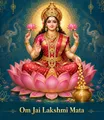
Lakshmi Puja, in the usual order. A clean cloth on a low platform; images or murtis of Lakshmi and Ganesh — Ganesh always first, as the remover of obstacles; a kalash of water with mango leaves and a coconut; rice, turmeric, kumkum, flowers, sweets, and in trading families the account books or a coin. The puja follows the standard sixteen offerings (shodashopachara) where the family knows them, and a simpler sequence where it does not: invocation, bathing the image, offering cloth, sandal, flowers, incense, lamp, food, and finally the aarti. The Lakshmi aarti — most often Om Jai Lakshmi Mata — closes it. Lamps are lit from the puja lamp and carried to every corner of the house, and the front door is left open for a while afterwards.
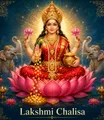
Jaap. Families who keep a daily count usually keep their Lakshmi mantra through the evening — one mala of 108 at the least, more for those who treat the night as a vigil. The Lakshmi Chalisa is read in many homes after the aarti. This site’s app keeps the count; the texts linked below are the ones people most often use.
Fireworks and sweets are what children remember; they are not part of the puja and several cities now restrict them. The sharing of sweets with neighbours, and the mithai boxes that circulate for days afterwards, are older than the fireworks.
Regional forms
- North India (UP, Bihar, Delhi, Punjab, Rajasthan): Lakshmi Puja on the Amavasya evening is the centre of the five days; Govardhan Puja follows the next day.
- Maharashtra and Gujarat: the same five days, but Gujarat’s new year (Bestu Varas) falls on Kartika Shukla Pratipada, the day after Diwali, and account books (chopda) are opened on Lakshmi Puja night — a merchant’s festival as much as a household one. Maharashtra gives more weight to the pre-dawn oil bath of Naraka Chaturdashi (Abhyang Snan).
- West Bengal: the same night is Kali Puja, kept at midnight rather than at pradosh; Lakshmi’s own puja in Bengal comes earlier, on Sharad Purnima (Kojagari). See the Kali Puja page.
- Tamil Nadu and Karnataka: Naraka Chaturdashi, the day before, is the main day (Deepavali), with the oil bath before sunrise; Lakshmi Puja on the Amavasya is a smaller observance.
- Kerala: Diwali is a minor festival compared with Onam and Vishu.
What the tithi rule means for the date
Lakshmi Puja is done on the day the Amavasya tithi is current during pradosh kala — the window from sunset for about two hours and twenty-four minutes — in the reckoning of one’s own city. A tithi runs for roughly a day but starts and ends at any hour, so the Amavasya can cover pradosh on one evening in Delhi and a different evening in a city with a later sunset, and calendars occasionally disagree by a day. The table below gives the date for New Delhi with the pradosh window; where the other reference cities land on a different date, the row says so.
Dates 2026 and 2027
Dates are for New Delhi (IST), computed from the tithi rule for 1 Sept 2026 to 31 Dec 2027. Rows marked computed have not yet been checked against a published panchang — confirm with a local calendar before planning around them. Dates already past are kept for reference.
| Date | Observance | Tithi at sunrise | Tithi (IST) | Notes |
|---|---|---|---|---|
| Diwali (Lakshmi Puja) | Krishna Chaturdashi, Kartika | 8 Nov 11:28 → 9 Nov 12:32 | Pradosh kala 17:31–19:55 (New Delhi) computed | |
| Diwali (Lakshmi Puja) | Krishna Amavasya, Kartika | 28 Oct 20:49 → 29 Oct 19:07 | Pradosh kala 17:38–20:02 (New Delhi) computed |
Mantra, aarti and chalisa for Diwali (Lakshmi Puja)
Frequently asked questions
When is Diwali (Lakshmi Puja) in 2026?
When is Diwali (Lakshmi Puja) in 2027?
Is Diwali the same day as Lakshmi Puja?
Why is Lakshmi Puja done in the evening and not the morning?
Is Diwali a Sikh or Jain festival too?
What should I chant on Diwali?
Sourcing
Checked against independent sources before publishing — see our sourcing and editorial policy. Spotted an error? Report an issue .