Overview
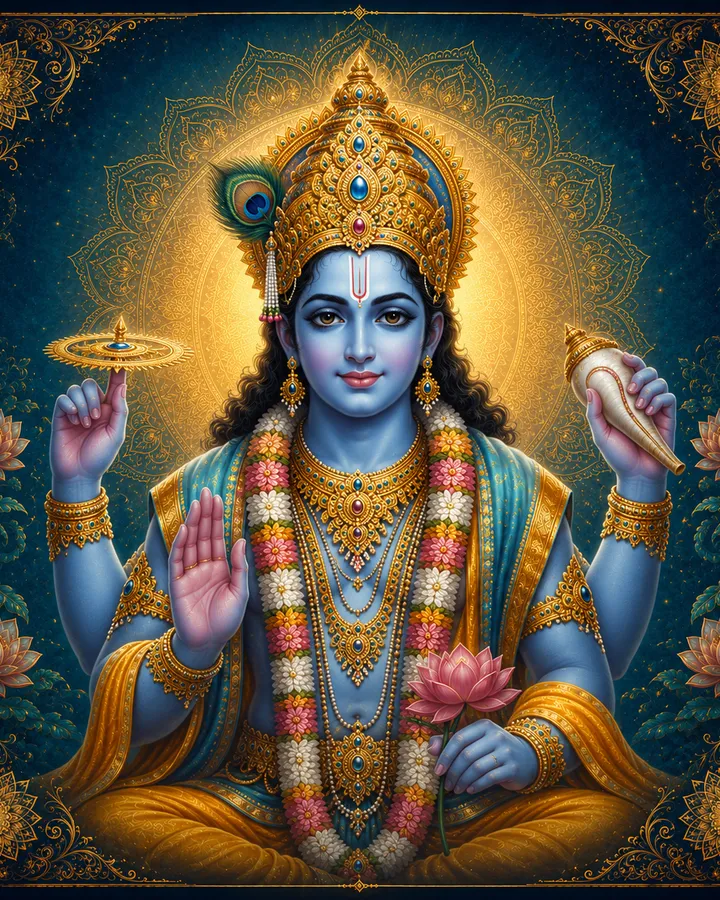
Dev Uthani Ekadashi — Prabodhini or Devutthana Ekadashi, Dev Diwali in some regions — is Kartika Shukla Ekadashi, the day Vishnu wakes from the four-month sleep that began on Devshayani Ekadashi in Ashadha. It ends Chaturmas, and with it the pause on weddings and other ceremonies; the marriage season in North India opens on this day, and the first wedding is Tulsi’s, on the Dwadashi that follows. It is an Ekadashi fast, kept as all Ekadashis are for Vishnu, and one of the three most widely kept.
Story and scripture
The Padma Purana’s Uttara Khanda gives the mahatmya of each Ekadashi in the form of Krishna’s answers to Yudhishthira, and its Prabodhini section tells the waking: Vishnu, asleep on Shesha in the ocean of milk through the rains, wakes at Lakshmi’s word on this tithi, and the gods gather to greet him. The same text and the Skanda Purana’s Kartika Mahatmya set the month’s observances — the lamp offerings, the bath, the tulsi worship — with this day as the month’s hinge. The Bhavishya Purana describes the general Ekadashi vrata, the fast from grain that observant Vaishnavas keep twice a month.
The four months of sleep are read in the tradition as the monsoon: the season in which the itinerant and the auspicious alike stay still.
How the day is kept
The fast: no grain from the previous night; fruit, milk and non-grain foods, or nothing, until the Dwadashi morning. The Vishnu puja in the morning with tulsi leaves; the Vishnu Sahasranama or the Om Namo Bhagavate Vasudevaya mantra as the day’s recitation; a night vigil (jagaran) with kirtan in many households and temples.
Waking the deity: in the evening, the household shrine’s Vishnu or shaligram is woken with a bell, a conch and the verse uttishtha govinda — “rise, Govinda” — a lamp of sugarcane is set up, and a small mandap of sugarcane stalks built for the Tulsi wedding.
Tulsi Vivah: on the Dwadashi (or the Ekadashi itself in some communities), the tulsi plant, dressed as a bride, is married to the shaligram or to an image of Krishna, with the full wedding rite in miniature; the married women of the house conduct it. See the Tulsi page.
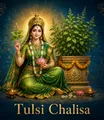
Jaap. Om Namo Bhagavate Vasudevaya; the Tulsi Chalisa and the aarti Jai Jai Tulsi Mata for the wedding. Linked below.
Regional forms
- North India: Dev Uthani, with the sugarcane mandap, the waking verse and the Tulsi wedding; the first marriage muhurats of the season are on the days after.
- Maharashtra and Gujarat: Prabodhini Ekadashi, the end of the Pandharpur Kartiki Ekadashi pilgrimage — the second of the year’s two great Varkari gatherings; see the Panduranga page. Tulsi Vivah is kept from this day to Kartik Purnima.
- Bengal: Utthan Ekadashi; the Tulsi wedding is less prominent, the fast is kept.
- South India: Prabodhini is kept as a Vaishnava fast; the larger Ekadashi of the south is Vaikuntha Ekadashi in Margashirsha.
The date
The Ekadashi fast follows the tithi at sunrise. When Ekadashi touches no sunrise at all — as it does for New Delhi in 2026, beginning after sunrise on 20 November and ending sixteen minutes before sunrise on the 21st — the fast moves to the following day, the Dwadashi at sunrise, which is the rule Smarta and Vaishnava calendars share for this case. The rows say what was computed.
Dates 2026 and 2027
Dates are for New Delhi (IST), computed from the tithi rule for 1 Sept 2026 to 31 Dec 2027. Rows marked computed have not yet been checked against a published panchang — confirm with a local calendar before planning around them. Dates already past are kept for reference.
| Date | Observance | Tithi at sunrise | Tithi (IST) | Notes |
|---|---|---|---|---|
| Dev Uthani Ekadashi (Prabodhini) | Shukla Dwadashi, Kartika | 20 Nov 07:16 → 21 Nov 06:32 | Kshaya — the tithi never touches sunrise; kept on the day it mostly occupies. computed | |
| Dev Uthani Ekadashi (Prabodhini) | Shukla Ekadashi, Kartika | 9 Nov 07:35 → 10 Nov 09:12 | computed |
Mantra, aarti and chalisa for Dev Uthani Ekadashi (Prabodhini)
Frequently asked questions
When is Dev Uthani Ekadashi (Prabodhini) in 2026?
When is Dev Uthani Ekadashi (Prabodhini) in 2027?
What is Chaturmas, and how does this day end it?
Why is Tulsi Vivah the next day?
Why is this Ekadashi kept when others are not?
What happens when Ekadashi does not touch sunrise?
Sourcing
Checked against independent sources before publishing — see our sourcing and editorial policy. Spotted an error? Report an issue .