The text
Tap Recite along to follow verse by verse — use Next, or the arrow keys.
- Opening doha
- Doha (opening)
सिर नवाइ बगलामुखी, लिखूँ चालीसा आज।कृपा करहु मोपर सदा, पूरन हो मम काज॥
śira navāi bagalāmukhī, likhū̃ cālīsā āja।kṛpā karahu mopara sadā, pūrana ho mama kāja॥
Bowing my head to Bagalamukhi, I write this chalisa today. Show your grace upon me always, so that my task may be fulfilled.
- The 40 chaupais
- Chaupai 1
जय जय जय श्री बगला माता।आदिशक्ति सब जग की त्राता॥
jaya jaya jaya śrī bagalā mātā।ādiśakti saba jaga kī trātā॥
Victory, victory, victory to Shri Bagala Mata — the primordial power, protector of the whole world.
- Chaupai 2
बगला सम तब आनन माता।एहि ते भयउ नाम विख्याता॥
bagalā sama taba ānana mātā।ehi te bhayau nāma vikhyātā॥
Your face, Mother, resembles the bagula (a crane) — from this your name became renowned.
- Chaupai 3
शशि ललाट कुण्डल छवि न्यारी।अस्तुति करहिं देव नर-नारी॥
śaśi lalāṭa kuṇḍala chavi nyārī।astuti karahĩ deva nara-nārī॥
The moon graces your brow, your earrings shine with rare beauty — gods, men, and women all sing your praises.
- Chaupai 4
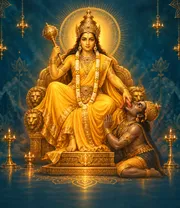
पीतवसन तन पर तव राजै।हाथहिं मुद्गर गदा विराजै॥
pītavasana tana para tava rājai।hāthahĩ mudgara gadā virājai॥
Yellow garments adorn your form; a mace and club shine in your hands.
- Chaupai 5
तीन नयन गल चम्पक माला।अमित तेज प्रकटत है भाला॥
tīna nayana gala campaka mālā।amita teja prakaṭata hai bhālā॥
Three eyes, and a garland of champak flowers at your neck; boundless radiance shines upon your brow.
- Chaupai 6
रत्न-जटित सिंहासन सोहै।शोभा निरखि सकल जन मोहै॥
ratna-jaṭita sinhāsana sohai।śobhā nirakhi sakala jana mohai॥
A jewel-studded throne graces you; beholding your splendor, all people are enchanted.
- Chaupai 7
आसन पीतवर्ण महारानी।भक्तन की तुम हो वरदानी॥
āsana pītavarṇa mahārānī।bhaktana kī tuma ho varadānī॥
Great Queen, seated upon a yellow throne — you are the giver of boons to your devotees.
- Chaupai 8
पीताभूषण पीतहिं चन्दन।सुर नर नाग करत सब वन्दन॥
pītābhūṣaṇa pītahĩ candana।sura nara nāga karata saba vandana॥
Yellow ornaments, yellow sandal paste — gods, men, and nagas all bow before you.
- Chaupai 9
एहि विधि ध्यान हृदय में राखै।वेद पुराण सन्त अस भाखै॥
ehi vidhi dhyāna hṛdaya meṃ rākhai।veda purāṇa santa asa bhākhai॥
Whoever holds this meditation upon you in the heart — so declare the Vedas, the Puranas, and the saints.
- Chaupai 10
अब पूजा विधि करौं प्रकाशा।जाके किये होत दुख-नाशा॥
aba pūjā vidhi karauṃ prakāśā।jāke kiye hota dukha-nāśā॥
Now I shall set forth the manner of your worship, by performing which sorrow is destroyed.
- Chaupai 11
प्रथमहिं पीत ध्वजा फहरावै।पीतवसन देवी पहिरावै॥
prathamahĩ pīta dhvajā phaharāvai।pītavasana devī pahirāvai॥
First, a yellow flag is raised, and the Goddess is dressed in yellow garments.
- Chaupai 12
कुंकुम अक्षत मोदक बेसन।अबिर गुलाल सुपारी चन्दन॥
kuṅkuma akṣata modaka besana।abira gulāla supārī candana॥
Vermilion, unbroken rice, gram-flour sweets, colored powders, betel nut, and sandalwood are offered.
- Chaupai 13
माल्य हरिद्रा अरु फल पाना।सबहिं चढ़इ धरै उर ध्याना॥
mālya haridrā aru phala pānā।sabahĩ caḍhai dharai ura dhyānā॥
A garland of turmeric, fruit, and betel leaf — offering all these, one holds meditation in the heart.
- Chaupai 14
धूप दीप कर्पूर की बाती।प्रेम-सहित तब करै आरती॥
dhūpa dīpa karpūra kī bātī।prema-sahita taba karai āratī॥
With incense, lamp, and a wick of camphor, one then performs the aarti with love.
- Chaupai 15
अस्तुति करै हाथ दोउ जोरे।पुरवहु मातु मनोरथ मोरे॥
astuti karai hātha dou jore।puravahu mātu manoratha more॥
With both hands joined, this prayer is offered: fulfill my heart's desire, O Mother.
- Chaupai 16
मातु भगति तब सब सुख खानी।करहु कृपा मोपर जनजानी॥
mātu bhagati taba saba sukha khānī।karahu kṛpā mopara janajānī॥
Mother, devotion to you is the mine of all happiness; show your grace upon me, knowing me as your own.
- Chaupai 17
त्रिविध ताप सब दुःख नशावहु।तिमिर मिटाकर ज्ञान बढ़ावहु॥
trividha tāpa saba duḥkha naśāvahu।timira miṭākara jñāna baḍhāvahu॥
Destroy the three kinds of affliction and all sorrow; dispel the darkness and increase wisdom.
- Chaupai 18
बार-बार मैं बिनवउँ तोहीं।अविरल भगति ज्ञान दो मोहीं॥
bāra-bāra maiṃ binavaũ tohī̃।avirala bhagati jñāna do mohī̃॥
Again and again I entreat you — grant me unbroken devotion and wisdom.
- Chaupai 19
पूजनान्त में हवन करावै।सो नर मनवांछित फल पावै॥
pūjanānta meṃ havana karāvai।so nara manavāṅchita phala pāvai॥
One who performs a fire-offering at the end of worship obtains the fruit the heart desires.
- Chaupai 20
सर्षप होम करै जो कोई।ताके वश सचराचर होई॥
sarṣapa homa karai jo koī।tāke vaśa sacarācara hoī॥
Whoever makes a fire-offering of mustard seed — all the world, moving and unmoving, is said to come under their sway.
- Chaupai 21
तिल तण्डुल संग क्षीर मिरावै।भक्ति प्रेम से हवन करावै॥
tila taṇḍula saṅga kṣīra mirāvai।bhakti prema se havana karāvai॥
Mixing sesame and rice together with milk, one performs the fire-offering with devotion and love.
- Chaupai 22
दुःख दरिद्र व्यापै नहिं सोई।निश्चय सुख-संपति सब होई॥
duḥkha daridra vyāpai nahĩ soī।niścaya sukha-sampati saba hoī॥
Sorrow and poverty do not afflict that person; happiness and prosperity surely come to them.
- Chaupai 23
फूल अशोक हवन जो करई।ताके गृह सुख-सम्पत्ति भरई॥
phūla aśoka havana jo karaī।tāke gṛha sukha-sampatti bharaī॥
Whoever offers ashoka flowers in the fire — their home is filled with happiness and prosperity.
- Chaupai 24
फल सेमर का होम करीजै।निश्चय वाको रिपु सब छीजै॥
phala semara kā homa karījai।niścaya vāko ripu saba chījai॥
One who makes an offering of semal-tree fruit — surely all of their enemies are destroyed.
- Chaupai 25
गुग्गुल घृत होमै जो कोई।तेहि के वश में राजा होई॥
guggula ghṛta homai jo koī।tehi ke vaśa meṃ rājā hoī॥
Whoever offers guggul resin and ghee in the fire — even a king is said to come under their sway.
- Chaupai 26
गुग्गुल तिल सँग होम करावै।ताको सकल बन्ध कट जावै॥
guggula tila sãga homa karāvai।tāko sakala bandha kaṭa jāvai॥
One who makes a fire-offering of guggul together with sesame — all their bonds are cut away.
- Chaupai 27
बीजाक्षर का पाठ जो करहीं।बीजमन्त्र तुम्हरो उच्चरहीं॥
bījākṣara kā pāṭha jo karahī̃।bījamantra tumharo uccarahī̃॥
Those who recite the seed-syllable, and utter your seed-mantra,
- Chaupai 28
एक मास निशि जो कर जापा।तेहि कर मिटत सकल सन्तापा॥
eka māsa niśi jo kara jāpā।tehi kara miṭata sakala santāpā॥
and perform this recitation nightly for one month — all their suffering is destroyed.
- Chaupai 29
घर की शुद्ध भूमि जहँ होई।साधक जाप करै तहँ सोई॥
ghara kī śuddha bhūmi jahã hoī।sādhaka jāpa karai tahã soī॥
Wherever there is a pure spot of ground in the home, there the practitioner performs japa.
- Chaupai 30
सोइ इच्छित फल निश्चय पावै।जामे नहिं कछु संशय लावै॥
soi icchita phala niścaya pāvai।jāme nahĩ kachu saṃśaya lāvai॥
That person surely obtains the fruit they desire — let no doubt at all be entertained about this.
- Chaupai 31
अथवा तीर नदी के जाई।साधक जाप करै मन लाई॥
athavā tīra nadī ke jāī।sādhaka jāpa karai mana lāī॥
Or else, going to a riverbank, the practitioner performs japa with a focused mind.
- Chaupai 32
दस सहस्र जप करै जो कोई।सकल काज तेहि कर सिधि होई॥
dasa sahasra japa karai jo koī।sakala kāja tehi kara sidhi hoī॥
Whoever performs ten thousand recitations — all their undertakings are accomplished.
- Chaupai 33
जाप करै जो लक्षहिं बारा।ताकर होय सुयश विस्तारा॥
jāpa karai jo lakṣahĩ bārā।tākara hoya suyaśa vistārā॥
Whoever performs japa a hundred thousand times — their good name spreads far and wide.
- Chaupai 34
जो तव नाम जपै मन लाई।अल्पकाल महँ रिपुहिं नसाई॥
jo tava nāma japai mana lāī।alpakāla mahã ripuhĩ nasāī॥
Whoever repeats your name with a focused mind — in a short time, their enemies are destroyed.
- Chaupai 35
सप्तरात्रि जो जापहिं नामा।वाको पूरन हो सब कामा॥
saptarātri jo jāpahĩ nāmā।vāko pūrana ho saba kāmā॥
Whoever recites your name for seven nights — all their wishes are fulfilled.
- Chaupai 36
नव दिन जाप करे जो कोई।व्याधि रहित ताकर तन होई॥
nava dina jāpa kare jo koī।vyādhi rahita tākara tana hoī॥
Whoever performs japa for nine days — their body becomes free of illness.
- Chaupai 37
ध्यान करै जो बन्ध्या नारी।पावै पुत्रादिक फल चारी॥
dhyāna karai jo bandhyā nārī।pāvai putrādika phala cārī॥
A childless woman who holds this meditation is said to obtain the blessing of children.
- Chaupai 38
प्रातः सायं अरु मध्याना।धरे ध्यान होवै कल्याना॥
prātaḥ sāyaṃ aru madhyānā।dhare dhyāna hovai kalyānā॥
Morning, evening, and midday — holding this meditation brings well-being.
- Chaupai 39
कहँ लगि महिमा कहौं तिहारी।नाम सदा शुभ मंगलकारी॥
kahã lagi mahimā kahauṃ tihārī।nāma sadā śubha maṅgalakārī॥
How far shall I recount your glory? Your name is forever auspicious and beneficent.
- Chaupai 40
पाठ करै जो नित्य चालीसा।तेहि पर कृपा करहिं गौरीशा॥
pāṭha karai jo nitya cālīsā।tehi para kṛpā karahĩ gaurīśā॥
Whoever recites this chalisa daily — upon them, Gaurisha bestows grace.
- Closing dohas
- Doha (closing) 1
सन्तशरण को तनय हूँ, कुलपति मिश्र सुनाम।हरिद्वार मण्डल बसूँ, धाम हरिपुर ग्राम॥
santaśaraṇa ko tanaya hū̃, kulapati miśra sunāma।haridvāra maṇḍala basū̃, dhāma haripura grāma॥
I am the son of Santsharan, of the name Kulapati Mishra; I dwell in the Haridwar region, in the abode of Haripur village.
- Doha (closing) 2
उन्नीस सौ पिचानबे सन् की, श्रावण शुक्ला मास।चालीसा रचना कियौं, तव चरणन को दास॥
unnīsa sau picānabe san kī, śrāvaṇa śuklā māsa।cālīsā racanā kiyauṃ, tava caraṇana ko dāsa॥
In the year nineteen ninety-five, in the bright fortnight of Shravan, I, a servant at your feet, composed this chalisa.
Overview
Bagalamukhi — also spelled Baglamukhi — is the eighth of the ten Mahavidyas, the group of fierce, cosmic forms of the Goddess central to Shakta Tantra, alongside better-known figures like Kali and Tara. She is closely associated with stambhana, the power to still, silence, or immobilize, and is traditionally pictured seated on a golden throne, dressed entirely in yellow, gripping a demon’s tongue in one hand while raising a mace to strike him with the other — an image devotees read as the stilling of a hostile tongue or a threatening intention rather than literal violence. Despite belonging to a body of practice that can seem specialized, this chalisa itself is a straightforward forty-verse Hindi devotional composition, framed by an opening doha and two closing dohas, that praises her form and the traditional manner of worshipping her — the same genre of text recited daily for deities like Ganesha or Durga.
Origin and source
The chalisa closes with two dohas in which the composer names himself: Kulapati Mishra, son of Santsharan, of Haripur village in the Haridwar region, who states that he wrote the text in the month of Shravan of the year 1995 as given in the verses — the era is not specified, and this page has not converted it to a different calendar. A first-person colophon of this kind is common in more recently composed chalisas and sets them apart from older works transmitted anonymously.
One of the opening verses offers its own explanation of the goddess’s name, describing her face as resembling the bagula, a crane or stork — a folk etymology that echoes a real, if contested, thread in the wider literature: the scholar David Kinsley likewise translates “Bagalamukhi” as “she who has the face of a crane,” while other writers derive the name instead from the Sanskrit valga (a bridle or rein), reading it as “she who bridles the mouth of an adversary” and connecting it to her power of stambhana. This chalisa does not weigh in on which derivation is correct, and both continue to circulate in devotional and reference literature.
How it is recited
The Bagalamukhi Chalisa is recited as part of the wider practice of Mahavidya worship, in which devotees turn to Bagalamukhi particularly when facing hostility — a legal dispute, a conflict with an adversary, an obstacle they hope to see calmed. As with her broader iconography, yellow runs through how she is worshipped: the chalisa itself describes offering her a yellow flag, yellow garments, turmeric, and yellow flowers, and devotees who recite it today often do so wearing yellow or before a yellow-clad image of the Goddess. The text also refers to more involved fire-offerings and sustained periods of japa using specific substances and counts — practices that belong to the specialized world of Tantric sadhana and are traditionally undertaken under a teacher’s guidance, so this page describes the chalisa as devotional literature rather than setting out ritual instruction of its own. The particular benefits the chalisa associates with these practices — protection from adversaries, favorable outcomes in disputes, freedom from illness — are presented here as the text’s own traditional claims, held as a matter of devotional belief rather than facts this page is asserting.
Frequently asked questions
How many verses does Bagalamukhi Chalisa have?
Who is Bagalamukhi Chalisa dedicated to?
When is Bagalamukhi Chalisa typically recited?
What language is Bagalamukhi Chalisa composed in?
What tradition is Bagalamukhi Chalisa associated with?
Is an English translation of Bagalamukhi Chalisa available?
Is there a Roman transliteration of Bagalamukhi Chalisa?
Sourcing
Checked against independent sources before publishing — see our sourcing and editorial policy. Spotted an error? Report an issue .