The text
Tap Recite along to follow verse by verse — use Next, or the arrow keys.
- Opening doha
- Doha (opening)
विश्वेश्वर पदपदम की रज निज शीश लगाय।अन्नपूर्णे, तव सुयश बरनौं कवि मतिलाय॥
viśveśvara padapadama kī raja nija śīśa lagāya।annapūrṇe, tava suyaśa baranaũ kavi matilāya॥
Placing on my own head the dust of Vishweshvara's (Shiva's) feet, O Annapurna, I, a poet, shall describe your fair renown with what wit I have.
- The 40 chaupais
- Chaupai 1
नित्य आनंद करिणी माता।वर अरु अभय भाव प्रख्याता॥
nitya ānanda kariṇī mātā।vara aru abhaya bhāva prakhyātā॥
Mother, ever the giver of bliss — renowned for your nature of granting boons and freedom from fear.
- Chaupai 2
जय ! सौंदर्य सिंधु जग जननी।अखिल पाप हर भव-भय-हरनी॥
jaya ! saundarya sindhu jaga jananī।akhila pāpa hara bhava-bhaya-haranī॥
Victory, O ocean of beauty, mother of the world — remover of every sin, dispeller of the fear of worldly existence.
- Chaupai 3
श्वेत बदन पर श्वेत बसन पुनि।संतन तुव पद सेवत ऋषिमुनि॥
śveta badana para śveta basana puni।santana tuva pada sevata ṛṣimuni॥
Upon your fair face rest fair garments; saints, sages, and seers serve at your feet.
- Chaupai 4
काशी पुराधीश्वरी माता।माहेश्वरी सकल जग त्राता॥
kāśī purādhīśvarī mātā।māheśvarī sakala jaga trātā॥
Mother, sovereign ruler of the city of Kashi; consort of Maheshwara, protector of the whole world.
- Chaupai 5
वृषभारुढ़ नाम रुद्राणी।विश्व विहारिणि जय ! कल्याणी॥
vṛṣabhāruḍha nāma rudrāṇī।viśva vihāriṇi jaya ! kalyāṇī॥
Mounted on the bull, known as Rudrani; you who roam through the whole universe — victory to you, bringer of good fortune.
- Chaupai 6
पतिदेवता सुतीत शिरोमणि।पदवी प्राप्त कीन्ह गिरी नंदिनि॥
patidevatā sutīta śiromaṇi।padavī prāpta kīnha girī nandini॥
Crown jewel among wives who hold their husband as their god — that is the rank the daughter of the mountain attained.
- Chaupai 7
पति विछोह दुःख सहि नहिं पावा।योग अग्नि तब बदन जरावा॥
pati vichoha duḥkha sahi nahĩ pāvā।yoga agni taba badana jarāvā॥
Unable to bear the sorrow of separation from her husband, she then consigned her body to the fire of yoga.
- Chaupai 8
देह तजत शिव चरण सनेहू।राखेहु जात हिमगिरि गेहू॥
deha tajata śiva caraṇa sanehū।rākhehu jāta himagiri gehū॥
As she gave up her body, her love stayed fixed on Shiva's feet; that devotion she kept as she went to be born in the house of the lord of the Himalayas.
- Chaupai 9
प्रकटी गिरिजा नाम धरायो।अति आनंद भवन मँह छायो॥
prakaṭī girijā nāma dharāyo।ati ānanda bhavana mãha chāyo॥
She appeared and was given the name Girija; the whole household was filled with great joy.
- Chaupai 10
नारद ने तब तोहिं भरमायहु।ब्याह करन हित पाठ पढ़ायहु॥
nārada ne taba tohĩ bharamāyahu।byāha karana hita pāṭha paḍhāyahu॥
Narada then came and instructed you, teaching you the practice needed to accomplish your marriage.
- Chaupai 11
ब्रहमा वरुण कुबेर गनाये।देवराज आदिक कहि गाये॥
brahamā varuṇa kubera ganāye।devarāja ādika kahi gāye॥
Brahma, Varuna, and Kubera were named as suitors; Indra, the king of gods, and others were spoken of as well.
- Chaupai 12
सब देवन को सुजस बखानी।मति पलटन की मन मँह ठानी॥
saba devana ko sujasa bakhānī।mati palaṭana kī mana mãha ṭhānī॥
The fair fame of all the gods was recounted, as a plan formed in someone's mind to change your resolve.
- Chaupai 13
अचल रहीं तुम प्रण पर धन्या।कीहनी सिद्ध हिमाचल कन्या॥
acala rahī̃ tuma praṇa para dhanyā।kīhanī siddha himācala kanyā॥
Yet you, blessed one, remained unmoved in your vow; and thus you proved yourself the true daughter of the Himalaya.
- Chaupai 14
निज कौ तब नारद घबराये।तब प्रण पूरण मंत्र पढ़ाये॥
nija kau taba nārada ghabarāye।taba praṇa pūraṇa mantra paḍhāye॥
Narada himself then grew anxious, and so taught you the mantra for fulfilling your vow.
- Chaupai 15
करन हेतु तप तोहिं उपदेशेउ।संत बचन तुम सत्य परेखेहु॥
karana hetu tapa tohĩ upadeśeu।santa bacana tuma satya parekhehu॥
For the sake of performing austerity he taught you; and you proved the sage's word to be true.
- Chaupai 16
गगनगिरा सुनि टरी न टारे।ब्रहां तब तुव पास पधारे॥
gaganagirā suni ṭarī na ṭāre।brahā̃ taba tuva pāsa padhāre॥
Hearing the voice from the sky, and unable to be turned from it, Brahma then came to your side.
- Chaupai 17
कहेउ पुत्रि वर माँगु अनूपा।देहुँ आज तुव मति अनुरुपा॥
kaheu putri vara mā̃gu anūpā।dehũ āja tuva mati anurupā॥
He said, "O daughter, ask for a matchless boon; today I shall grant whatever suits your wish."
- Chaupai 18
तुम तप कीन्ह अलौकिक भारी।कष्ट उठायहु अति सुकुमारी॥
tuma tapa kīnha alaukika bhārī।kaṣṭa uṭhāyahu ati sukumārī॥
"You have performed an extraordinary and great austerity, bearing hardship though most delicate of form."
- Chaupai 19
अब संदेह छाँड़ि कछु मोसों।है सौगंध नहीं छल तोसों॥
aba sandeha chā̃ḍi kachu mosõ।hai saugandha nahī̃ chala tosõ॥
"Now set aside all doubt of me; I swear there is no deceit toward you."
- Chaupai 20
करत वेद विद ब्रहमा जानहु।वचन मोर यह सांचा मानहु॥
karata veda vida brahamā jānahu।vacana mora yaha sān̄cā mānahu॥
"Know me as Brahma, versed in the Vedas; take these words of mine to be true."
- Chaupai 21
तजि संकोच कहहु निज इच्छा।देहौं मैं मनमानी भिक्षा॥
taji sankoca kahahu nija icchā।dehaũ maĩ manamānī bhikṣā॥
"Set aside your hesitation and speak your own wish; I shall grant you whatever your heart desires."
- Chaupai 22
सुनि ब्रहमा की मधुरी बानी।मुख सों कछु मुसुकाय भवानी॥
suni brahamā kī madhurī bānī।mukha sõ kachu musukāya bhavānī॥
Hearing Brahma's sweet words, Bhavani smiled a little upon her face.
- Chaupai 23
बोली तुम का कहहु विधाता।तुम तो जगके स्रष्टाधाता॥
bolī tuma kā kahahu vidhātā।tuma to jagake sraṣṭādhātā॥
She said, "What is it you say, O Creator? You are the maker and sustainer of this world."
- Chaupai 24
मम कामना गुप्त नहिं तोंसों।कहवावा चाहहु का मोंसों॥
mama kāmanā gupta nahĩ tõsõ।kahavāvā cāhahu kā mõsõ॥
"My desire is no secret from you; what is it you wish me to say?"
- Chaupai 25
दक्ष यज्ञ महँ मरती बारा।शंभुनाथ पुनि होहिं हमारा॥
dakṣa yajña mahã maratī bārā।śambhunātha puni hohĩ hamārā॥
"When I died at Daksha's sacrifice, I vowed that Shambhunath (Shiva) should again become mine."
- Chaupai 26
सो अब मिलहिं मोहिं मनभाये।कहि तथास्तु विधि धाम सिधाये॥
so aba milahĩ mohĩ manabhāye।kahi tathāstu vidhi dhāma sidhāye॥
"Let him now be united with me, dear to my heart" — saying "so be it," the Creator departed for his own abode.
- Chaupai 27
तब गिरिजा शंकर तव भयऊ।फल कामना संशयो गयऊ॥
taba girijā śankara tava bhayaū।phala kāmanā san̄śayo gayaū॥
Then, O Girija, Shankar became yours; the fruit of your desire was won, and all doubt departed.
- Chaupai 28
चन्द्रकोटि रवि कोटि प्रकाशा।तब आनन महँ करत निवासा॥
candrakoṭi ravi koṭi prakāśā।taba ānana mahã karata nivāsā॥
The radiance of millions of moons and millions of suns dwells upon your face.
- Chaupai 29
माला पुस्तक अंकुश सोहै।कर मँह अपर पाश मन मोहै॥
mālā pustaka ankuśa sohai।kara mãha apara pāśa mana mohai॥
A rosary, a book, and a goad shine in your hands; and in another hand a noose, enchanting the mind.
- Chaupai 30
अन्नपूर्णे ! सदापूर्णे।अज अनवघ अनंत पूर्णे॥
annapūrṇe ! sadāpūrṇe।aja anavagha ananta pūrṇe॥
O Annapurna, ever-perfect one — unborn, faultless, infinite, and complete.
- Chaupai 31
कृपा सागरी क्षेमंकरि माँ।भव विभूति आनंद भरी माँ॥
kṛpā sāgarī kṣemankari mā̃।bhava vibhūti ānanda bharī mā̃॥
Mother, ocean of grace, bringer of well-being; Mother, filled with the glory and bliss of this world.
- Chaupai 32
कमल विलोचन विलसित भाले।देवि कालिके चण्डि कराले॥
kamala vilocana vilasita bhāle।devi kālike caṇḍi karāle॥
Lotus-eyed, with a radiant forehead — O Goddess Kalika, O fierce Chandi.
- Chaupai 33
तुम कैलास मांहि है गिरिजा।विलसी आनंद साथ सिंधुजा॥
tuma kailāsa mā̃hi hai girijā।vilasī ānanda sātha sindhujā॥
You dwell upon Kailash as Girija, and there you shine, joyful, alongside Sindhuja (Lakshmi, born of the ocean).
- Chaupai 34
स्वर्ग महालक्ष्मी कहलायी।मर्त्य लोक लक्ष्मी पदपायी॥
svarga mahālakṣmī kahalāyī।martya loka lakṣmī padapāyī॥
In heaven you are called Mahalakshmi; in the mortal world you have attained the rank of Lakshmi.
- Chaupai 35
विलसी सब मँह सर्व सरुपा।सेवत तोहिं अमर पुर भूपा॥
vilasī saba mãha sarva sarupā।sevata tohĩ amara pura bhūpā॥
You shine within all things, being the very form of everything; the lords of the immortal city serve you.
- Chaupai 36
जो पढ़िहहिं यह तव चालीसा।फल पाइंहहि शुभ साखी ईसा॥
jo paḍhihahĩ yaha tava cālīsā।phala pāĩhahi śubha sākhī īsā॥
Whoever recites this, your chalisa, shall obtain auspicious fruit, with the Lord himself as witness.
- Chaupai 37
प्रात समय जो जन मन लायो।पढ़िहहिं भक्ति सुरुचि अघिकायो॥
prāta samaya jo jana mana lāyo।paḍhihahĩ bhakti suruci aghikāyo॥
The one who, in the morning hour, applies the mind and recites it shall find devotion and good grace increasing.
- Chaupai 38
स्त्री कलत्र पति मित्र पुत्र युत।परमैश्रवर्य लाभ लहि अद्भुत॥
strī kalatra pati mitra putra yuta।paramaiśravarya lābha lahi adbhuta॥
Together with wife, husband, friends, and sons, one shall obtain the wondrous gain of supreme prosperity.
- Chaupai 39
राज विमुख को राज दिवावै।जस तेरो जन सुजस बढ़ावै॥
rāja vimukha ko rāja divāvai।jasa tero jana sujasa baḍhāvai॥
You grant kingship even to one estranged from it; and your devotee's fair fame grows through your glory.
- Chaupai 40
पाठ महा मुद मंगल दाता।भक्त मनोवांछित निधि पाता॥
pāṭha mahā muda mangala dātā।bhakta manovāñchita nidhi pātā॥
This recitation grants great joy and auspiciousness; the devotee attains the treasure their heart desires.
- Closing doha
- Doha (closing)
जो यह चालीसा सुभग, पढ़ि नावैंगे माथ।तिनके कारज सिद्ध सब, साखी काशी नाथ॥
jo yaha cālīsā subhaga, paḍhi nāvaĩge mātha।tinake kāraja siddha saba, sākhī kāśī nātha॥
Whoever, in good fortune, bows their head to recite this chalisa — all their undertakings shall be accomplished, with the Lord of Kashi himself as witness.
Overview
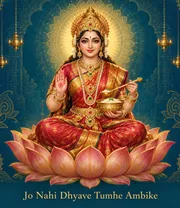
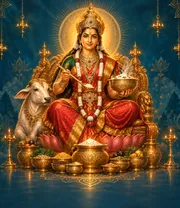
The Annapurna Chalisa is a forty-couplet Hindi devotional composition addressed to Annapurna, the goddess of food and nourishment worshipped above all at Kashi (Varanasi). Framed by an opening and closing doha, its chaupai verses praise her form and attributes, recount her story as Sati and her rebirth as Girija (Parvati), daughter of the Himalaya, and her union with Shiva won through austerity, before closing with the benefits said to come from reciting the chalisa with devotion.
Origin and source
The chalisa’s own verses do not name a composer, and no reliable attribution for its authorship could be confirmed — this page does not credit it to any particular poet. The text is closely tied to the Shaiva-Shakta devotional life of Kashi: it opens by bowing to the dust of Vishweshvara’s (Shiva’s) feet, narrates Annapurna as Sati and then as Girija, daughter of the Himalaya, who wins Shiva as her husband through austerity, and closes by invoking Kashi Nath, the Lord of Kashi, as witness. This reflects the tradition centered on the Annapurna Devi Mandir at Kashi, standing beside the Vishwanath temple, where Annapurna is worshipped as the one who feeds the universe while Shiva himself, as a wandering ascetic, is said to depend on her for alms. Within its own verses, the chalisa also identifies her with other forms of the Goddess — Rudrani, Kalika, Chandi, and Mahalakshmi — in keeping with the wider Shakta understanding of a single Goddess appearing under many names.
One word in the sixth chaupai, “सुतीत”, is explained in none of the sources consulted. Four of the six checked carry the verse at all, and all four print “सुतीत” identically, though they differ over the words around it (“पतिदेवता” or “पदिदेवता”, “शिरोमणि” or “शिरोमनि”). The English meaning given for that verse renders only what the rest of the line supports — that the daughter of the mountain attained the rank of foremost among wives devoted to their husbands.
How it is recited
The Annapurna Chalisa is recited especially on Annapurna Jayanti, and by households seeking her blessing that the kitchen and stores never run short of food. Some devotees include it in a daily or weekly round of chalisa recitation, often around the offering of food to the deity, in keeping with Annapurna’s role as the one who sustains the household’s daily provision.
Frequently asked questions
How many verses does Annapurna Chalisa have?
Who is Annapurna Chalisa dedicated to?
When is Annapurna Chalisa typically recited?
What language is Annapurna Chalisa composed in?
What tradition is Annapurna Chalisa associated with?
Is an English translation of Annapurna Chalisa available?
Is there a Roman transliteration of Annapurna Chalisa?
Sourcing
Checked against independent sources before publishing — see our sourcing and editorial policy. Spotted an error? Report an issue .