Overview
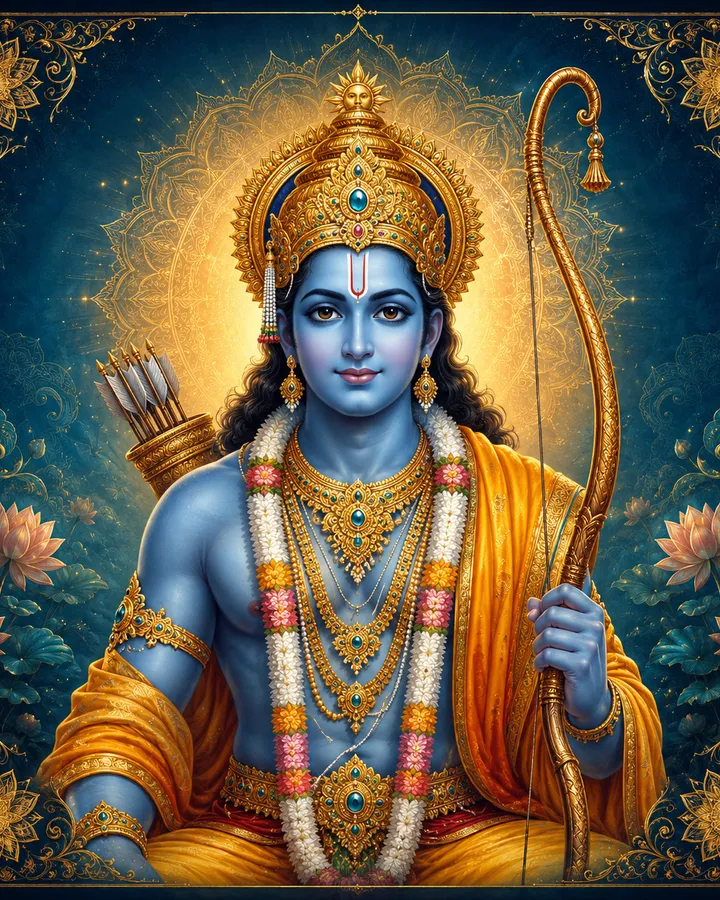
Ram Navami is the birthday of Rama, kept on Chaitra Shukla Navami, the ninth and last day of Chaitra Navratri, at midday — the hour the Ramayana gives for the birth in Ayodhya. It is a temple and household day: the infant Rama in a cradle, the reading of the birth passage from the Ramcharitmanas, the aarti, and a fast until noon. In Ayodhya it is the year’s largest gathering; across the north it is a public holiday. See the Ram page for the deity.
Story and scripture
The Valmiki Ramayana’s Bala Kanda (sarga 18) has Dasharatha’s Putrakameshti yajna, the divine payasam shared among his three queens, and the birth of the four brothers — Rama to Kausalya first, on the ninth day of Chaitra’s bright half under Punarvasu nakshatra with five planets exalted. The Ramcharitmanas tells the same birth in Awadhi, and its Ram Janma passage — “bhaye pragat kripala deen dayala” — is the verse sung at the midday hour in every temple that keeps the day. The Agastya Samhita and the Skanda Purana describe the vrata: the fast, the midday worship, and the recitation.
How the day is kept
Morning: a bath, the fast begun; in many homes the Ramcharitmanas reading that started on the first day of Navratri reaches its end.
Midday: the birth hour. An image of the infant Rama — or a picture of the family of Rama, Sita, Lakshmana and Hanuman — is placed in a cradle and rocked; the Ram Janma chhand is sung; kirtan of Sri Ram Jai Ram Jai Jai Ram; the aarti; and the fast is broken with panakam (a jaggery and pepper drink, in the south) or the household’s prasad.
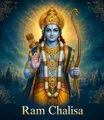
Jaap. Sri Ram Jai Ram Jai Jai Ram is the day’s count in most homes, and the Taraka mantra Sriram Rama Rameti for those who keep the Sanskrit; the Ram Chalisa and the aarti Aarti Kijai Shri Raghuvar Ji Ki are linked below. Rama’s name is also Hanuman’s, and Hanuman temples are full on the day.
Processions: in Ayodhya, Rameshwaram, Bhadrachalam and Sitamarhi the day is a fair; Shobha Yatras with tableaux of the Ramayana go through many northern towns.
Regional forms
- Ayodhya: the Ram Janmabhoomi temple’s midday celebration; pilgrims bathe in the Sarayu.
- Bhadrachalam (Telangana): the Sitarama Kalyanam, the wedding of Rama and Sita, performed on this day at the Ramachandra temple, with pearls sent by the state government by a tradition dating to the Nizam.
- Tamil Nadu and Karnataka: the day is kept with music — the Ramanavami concert season, in which Thyagaraja’s kritis on Rama are the core repertoire; see the Thyagaraja page.
- Maharashtra: the last day of the Chaitra Navratri kept in temples; Panchavati at Nashik, tradition’s site of Rama’s forest years.
- Odisha: Ram Navami with the reading of the Odia Ramayana of Balaram Das.
The date
The day Navami is current at midday (madhyahna) in one’s own city; the table gives New Delhi. The Hanuman Jayanti of the north falls six days later, on the Chaitra Purnima.
Dates 2027
Dates are for New Delhi (IST), computed from the tithi rule for 1 Sept 2026 to 31 Dec 2027. Rows marked computed have not yet been checked against a published panchang — confirm with a local calendar before planning around them. Dates already past are kept for reference.
| Date | Observance | Tithi at sunrise | Tithi (IST) | Notes |
|---|---|---|---|---|
| Ram Navami | Shukla Navami, Chaitra | 14 Apr 15:24 → 15 Apr 13:21 | computed |
Mantra, aarti and chalisa for Ram Navami
Frequently asked questions
When is Ram Navami in 2027?
Why is Ram Navami at midday?
Is Ram Navami the last day of Chaitra Navratri?
What is read on the day?
Is there a fast?
Sourcing
Checked against independent sources before publishing — see our sourcing and editorial policy. Spotted an error? Report an issue .