The text
Tap Recite along to follow verse by verse — use Next, or the arrow keys.
- Opening dohas
- Doha 1
जय जय सीताराम के, मध्यवासिनी अम्ब।देहु दर्श जगदम्ब, अब करहु न मातु विलम्ब॥
jaya jaya sītārāma ke, madhyavāsinī amba।dehu darśa jagadamba, aba karahu na mātu vilamba॥
Victory, victory to you, Mother, who dwell between Sita and Ram; grant your vision, Mother of the world — do not delay, O Mother.
- Doha 2
जय तारा जय कालिका, जय दश विद्या वृन्द।काली चालीसा रचत, एक सिद्धि कवि हिन्द॥
jaya tārā jaya kālikā, jaya daśa vidyā vṛnda।kālī cālīsā racata, eka siddhi kavi hinda॥
Victory to Tara, victory to Kalika, victory to the host of the ten Mahavidyas; a Siddha poet of Hind (India) composes this Kali Chalisa.
- Doha 3
प्रातः काल उठ जो पढ़े, दुपहरिया या शाम।दुःख दरिद्रता दूर हों, सिद्धि होय सब काम॥
prātaḥ kāla uṭha jo paḍhe, dupahariyā yā śāma।duḥkha daridratā dūra hõ, siddhi hoya saba kāma॥
Whoever rises and recites this at dawn, at midday, or in the evening — their sorrow and poverty are removed, and all their endeavors succeed.
- The 42 chaupais
- Chaupai 1
जय काली कंकाल मालिनी।जय मंगला महाकपालिनी॥
jaya kālī kaṅkāla mālinī।jaya maṅgalā mahākapālinī॥
Victory to Kali, garlanded with bones; victory to Mangala, the great skull-bearer.
- Chaupai 2
रक्तबीज वधकारिणी माता।सदा भक्तन की सुखदाता॥
raktabīja vadhakāriṇī mātā।sadā bhaktana kī sukhadātā॥
Mother, slayer of the demon Raktabija; ever the giver of happiness to her devotees.
- Chaupai 3
शिरो मालिका भूषित अंगे।जय काली जय मद्य मतंगे॥
śiro mālikā bhūṣita aṅge।jaya kālī jaya madya mataṅge॥
Her body adorned with a garland of heads; victory to Kali, victory to her wine-maddened, battle-frenzied form.
- Chaupai 4
हर हृदयारविन्द सुविलासिनी।जय जगदम्बा सकल दुःख नाशिनी॥
hara hṛdayāravinda suvilāsinī।jaya jagadambā sakala duḥkha nāśinī॥
She who plays joyously in the lotus of Hara's (Shiva's) heart; victory to Jagadamba, destroyer of all sorrow.
- Chaupai 5
ह्रीं काली श्रीं महाकाराली।क्रीं कल्याणी दक्षिणाकाली॥
hrīṃ kālī śrīṃ mahākārālī।krīṃ kalyāṇī dakṣiṇākālī॥
Hrim — Kali; Shrim — Mahakarali, the great and terrible one; Krim — Kalyani, the auspicious Dakshina Kali.
- Chaupai 6
जय कलावती जय विद्यावति।जय तारासुन्दरी महामति॥
jaya kalāvatī jaya vidyāvati।jaya tārāsundarī mahāmati॥
Victory to Kalavati, victory to Vidyavati; victory to Tara the beautiful, of great wisdom.
- Chaupai 7
देहु सुबुद्धि हरहु सब संकट।होहु भक्त के आगे परगट॥
dehu subuddhi harahu saba saṅkaṭa।hohu bhakta ke āge paragaṭa॥
Grant good wisdom, remove every difficulty; appear before your devotee.
- Chaupai 8
जय ॐ कारे जय हुंकारे।महाशक्ति जय अपरम्पारे॥
jaya oṃkāre jaya huṃkāre।mahāśakti jaya aparampāre॥
Victory to her who is the syllable Om, victory to her fierce roar; victory to the great Shakti, boundless and beyond compare.
- Chaupai 9
कमला कलियुग दर्प विनाशिनी।सदा भक्तजन की भयनाशिनी॥
kamalā kaliyuga darpa vināśinī।sadā bhaktajana kī bhayanāśinī॥
Kamala, destroyer of the pride of the Kali Yuga; ever the remover of fear for her devotees.
- Chaupai 10
अब जगदम्ब न देर लगावहु।दुख दरिद्रता मोर हटावहु॥
aba jagadamba na dera lagāvahu।dukha daridratā mora haṭāvahu॥
Now, Mother of the world, do not delay; take away my sorrow and poverty.
- Chaupai 11
जयति कराल कालिका माता।कालानल समान द्युतिगाता॥
jayati karāla kālikā mātā।kālānala samāna dyutigātā॥
Victory to Mother Kalika, terrible and fierce; her body's radiance like the fire that consumes time itself.
- Chaupai 12
जयशंकरी सुरेशि सनातनि।कोटि सिद्धि कवि मातु पुरातनि॥
jayaśaṅkarī sureśi sanātani।koṭi siddhi kavi mātu purātani॥
Victory to Jayashankari, mistress of the gods, eternal one; O ancient Mother, millions of accomplished poets cannot fully sing your praise.
- Chaupai 13
कपर्दिनी कलि कल्प विमोचनि।जय विकसित नव नलिन विलोचनी॥
kapardinī kali kalpa vimocani।jaya vikasita nava nalina vilocanī॥
Kapardini, releaser from the bonds of the Kali age; victory to her whose eyes are like freshly blossomed lotuses.
- Chaupai 14
आनन्दा करणी आनन्द निधाना।देहुमातु मोहि निर्मल ज्ञाना॥
ānandā karaṇī ānanda nidhānā।dehu mātu mohi nirmala jñānā॥
Bestower of joy, treasury of bliss; grant me, Mother, pure wisdom.
- Chaupai 15
करूणामृत सागरा कृपामयी।होहु दुष्ट जन पर अब निर्दयी॥
karuṇāmṛta sāgarā kṛpāmayī।hohu duṣṭa jana para aba nirdayī॥
Ocean of the nectar of compassion, full of grace; be merciless now toward the wicked.
- Chaupai 16
सकल जीव तोहि परम पियारा।सकल विश्व तोरे आधारा॥
sakala jīva tohi parama piyārā।sakala viśva tore ādhārā॥
All beings are most dear to you; the whole universe rests on your support.
- Chaupai 17
प्रलय काल में नर्तन कारिणि।जग जननी सब जग की पालिनी॥
pralaya kāla meṃ nartana kāriṇi।jaga jananī saba jaga kī pālinī॥
She who dances at the time of dissolution; mother of the world, protector of all the world.
- Chaupai 18
महोदरी माहेश्वरी माया।हिमगिरि सुता विश्व की छाया॥
mahodarī māheśvarī māyā।himagiri sutā viśva kī chāyā॥
Mahodari, Maheshvari, cosmic illusion; daughter of the Himalaya, shade and shelter of the universe.
- Chaupai 19
स्वछन्द रद मारद धुनि माही।गर्जत तुम्ही और कोउ नाहि॥
svachanda rada mārada dhuni māhī।garjata tumhī aura kou nāhi॥
Untrammeled amid the tumult you roar; you alone thunder, and none other.
- Chaupai 20
स्फुरति मणिगणाकार प्रताने।तारागण तू व्योम विताने॥
sphurati maṇigaṇākāra pratāne।tārāgaṇa tū vyoma vitāne॥
You shine forth in forms like clusters of jewels; you are the host of stars spread across the canopy of the sky.
- Chaupai 21
श्रीधारे सन्तन हितकारिणी।अग्निपाणि अति दुष्ट विदारिणि॥
śrīdhāre santana hitakāriṇī।agnipāṇi ati duṣṭa vidāriṇi॥
Bearer of Shri, benefactor of the saintly; fire in hand, tearing apart the very wicked.
- Chaupai 22
धूम्र विलोचनि प्राण विमोचिनी।शुम्भ निशुम्भ मथनि वर लोचनि॥
dhūmra vilocani prāṇa vimocinī।śumbha niśumbha mathani vara locani॥
Smoke-eyed, releaser of life's breath; churner and destroyer of Shumbha and Nishumbha, of lovely eyes.
- Chaupai 23
सहस भुजी सरोरूह मालिनी।चामुण्डे मरघट की वासिनी॥
sahasa bhujī sarorūha mālinī।cāmuṇḍe maraghaṭa kī vāsinī॥
Thousand-armed, garlanded with lotuses; Chamunda, who dwells in the cremation ground.
- Chaupai 24
खप्पर मध्य सुशोणित साजी।मारेहु माँ महिषासुर पाजी॥
khappara madhya suśoṇita sājī।mārehu mā̃ mahiṣāsura pājī॥
With fresh blood arrayed in your skull-bowl, you slew, O Mother, the vile buffalo-demon Mahishasura.
- Chaupai 25
अम्ब अम्बिका चण्ड चण्डिका।सब एके तुम आदि कालिका॥
amba ambikā caṇḍa caṇḍikā।saba eke tuma ādi kālikā॥
Amba, Ambika, Chanda, Chandika — all these are one, you, the primordial Kalika.
- Chaupai 26
अजा एकरूपा बहुरूपा।अकथ चरित्र तव शक्ति अनूपा॥
ajā ekarūpā bahurūpā।akatha caritra tava śakti anūpā॥
Unborn, of one form and of many forms; your story cannot be told, your power without compare.
- Chaupai 27
कलकत्ता के दक्षिण द्वारे।मूरति तोरि महेशि अपारे॥
kalakattā ke dakṣiṇa dvāre।mūrati tori maheśi apāre॥
At the southern gate of Kolkata stands your image, O boundless great goddess.
- Chaupai 28
कादम्बरी पानरत श्यामा।जय मातंगी काम के धामा॥
kādambarī pānarata śyāmā।jaya mātaṅgī kāma ke dhāmā॥
Dark one who delights in wine; victory to Matangi, abode of desire's fulfillment.
- Chaupai 29
कमलासन वासिनी कमलायनि।जय श्यामा जय जय श्यामायनि॥
kamalāsana vāsinī kamalāyani।jaya śyāmā jaya jaya śyāmāyani॥
Dweller on the lotus seat, born of the lotus; victory to Shyama, victory, victory to her who is Shyama's own abode.
- Chaupai 30
मातंगी जय जयति प्रकृति हे।जयति भक्ति उर कुमति सुमति हे॥
mātaṅgī jaya jayati prakṛti he।jayati bhakti ura kumati sumati he॥
Victory, victory to Matangi, O Nature herself; victory to the devotion that turns an ill-disposed mind toward a good one.
- Chaupai 31
कोटि ब्रह्म शिव विष्णु कामदा।जयति अहिंसा धर्म जन्मदा॥
koṭi brahma śiva viṣṇu kāmadā।jayati ahiṃsā dharma janmadā॥
Granter of the desires of millions of Brahmas, Shivas, and Vishnus; victory to her who gives rise to nonviolence and dharma.
- Chaupai 32
जलथल नभ मण्डल में व्यापिनी।सौदामिनी मध्य आलापिनि॥
jalathala nabha maṇḍala meṃ vyāpinī।saudāminī madhya ālāpini॥
Pervading water, land, and the vault of the sky; speaking forth from within the lightning.
- Chaupai 33
झननन तच्छु मरिरिन नादिनी।जय सरस्वती वीणा वादिनी॥
jhananana tacchu maririna nādinī।jaya sarasvatī vīṇā vādinī॥
Ringing forth in a shower of bright notes; victory to Sarasvati, player of the vina.
- Chaupai 34
ॐ ऐं ह्रीं क्लीं चामुण्डायै विच्चे।कलित कण्ठ शोभित नरमुण्डा॥
oṃ aiṃ hrīṃ klīṃ cāmuṇḍāyai vicce।kalita kaṇṭha śobhita naramuṇḍā॥
Om Aim Hrim Klim Chamundayai Vicche — her neck adorned, shining with human skulls.
- Chaupai 35
जय ब्रह्माण्ड सिद्धि कवि माता।कामाख्या और काली माता॥
jaya brahmāṇḍa siddhi kavi mātā।kāmākhyā aura kālī mātā॥
Victory, Mother who grants poets accomplishment across the universe; Mother Kamakhya and Mother Kali.
- Chaupai 36
हिंगलाज विन्ध्याचल वासिनी।अट्टहासिनी अरु अघन नाशिनी॥
hiṅgalāja vindhyācala vāsinī।aṭṭahāsinī aru aghana nāśinī॥
Dweller at Hinglaj and on the Vindhya mountains; she of loud laughter, destroyer of great sin.
- Chaupai 37
कितनी स्तुति करूँ अखण्डे।तू ब्रह्माण्डे शक्तिजित चण्डे॥
kitanī stuti karū̃ akhaṇḍe।tū brahmāṇḍe śaktijita caṇḍe॥
How much praise shall I offer, O undivided one? You, fierce one, have conquered the universe by your power.
- Chaupai 38
करहु कृपा सब पे जगदम्बा।रहहिं निशंक तोर अवलम्बा॥
karahu kṛpā saba pe jagadambā।rahahiṃ niśaṅka tora avalambā॥
Show your grace on all, Mother of the world; those who take your support remain free of fear.
- Chaupai 39
चतुर्भुजी काली तुम श्यामा।रूप तुम्हार महा अभिरामा॥
caturbhujī kālī tuma śyāmā।rūpa tumhāra mahā abhirāmā॥
Four-armed Kali, you are Shyama; your form is exceedingly beautiful.
- Chaupai 40
खड्ग और खप्पर कर सोहत।सुर नर मुनि सबको मन मोहत॥
khaḍga aura khappara kara sohata।sura nara muni sabako mana mohata॥
Sword and skull-bowl grace your hands; you enchant the minds of gods, men, and sages alike.
- Chaupai 41
तुम्हारी कृपा पावे जो कोई।रोग शोक नहिं ताकहँ होई॥
tumhārī kṛpā pāve jo koī।roga śoka nahiṃ tākahã̆ hoī॥
Whoever obtains your grace — disease and sorrow never touch them.
- Chaupai 42
जो यह पाठ करै चालीसा।तापर कृपा करहिं गौरीशा॥
jo yaha pāṭha karai cālīsā।tāpara kṛpā karahiṃ gaurīśā॥
Whoever recites this Chalisa — upon them the Lord of Gauri (Shiva) bestows his grace.
- Closing doha
- Doha (closing)
जय कपालिनी जय शिवा, जय जय जय जगदम्ब।सदा भक्तजन केरि दुःख हरहु, मातु अविलम्ब॥
jaya kapālinī jaya śivā, jaya jaya jaya jagadamba।sadā bhaktajana keri duḥkha harahu, mātu avilamba॥
Victory to Kapalini, victory to Shiva's own, victory, victory, victory to the Mother of the world; always remove your devotees' sorrow, Mother, without delay.
Overview
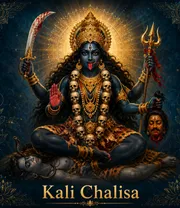
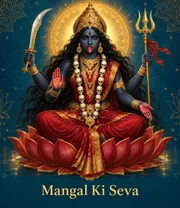
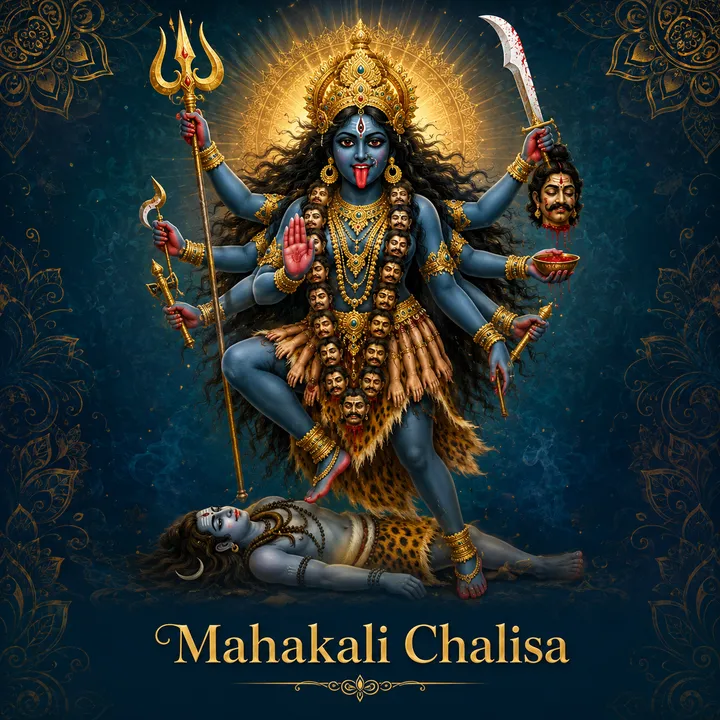
The Mahakali Chalisa is a Hindi devotional composition praising Kali under a wide range of her names, framed by three opening dohas and one closing doha around a body of chaupai couplets. It is a genuinely separate text from this site’s own Kali Chalisa — the two share no lines: this composition opens “जय काली कंकाल मालिनी” (“Victory to Kali, garlanded with bones”), while the Kali Chalisa opens “जय काली जगदम्ब जय” and its chaupai section begins “जय जय जय काली कंकाली.” The titles are genuinely tangled on the wider devotional web, though: several sites publish this exact text as “Kali Chalisa” rather than “Mahakali Chalisa,” and its own second doha refers to itself as “काली चालीसा” (“Kali Chalisa”) even on pages that title the page “Mahakali Chalisa.” This page follows the title given in the source item for this rollout.
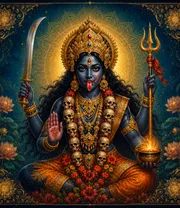
Much of the text is a naming-praise in the same devotional mode as the site’s Kali Chalisa, invoking Mahakarali, Dakshina Kali, Chamunda, Matangi, Kamakhya, and Tara, and recalling Kali’s role in slaying the demons Raktabija, Mahishasura, and Shumbha-Nishumbha — the same battles described on Kali’s own page. A few verses are distinctive to this composition: one names Kolkata directly (“कलकत्ता के दक्षिण द्वारे,” “at the southern gate of Kolkata,” an apparent reference to the Kalighat temple), and another (Chaupai 34) quotes the bija-mantra “Om Aim Hrim Klim Chamundayai Vicche” addressed to Chamunda.
Origin and source
This page’s text was cross-checked across several Hindi devotional sites and shows two distinguishable transcription lineages rather than one: one pair of sources agrees on distinctive word choices (including the epithet “महाकाराली,” Mahakarali, in Chaupai 5) and internal verse-number markers confirming a traditional forty-chaupai count; a separately worded source shares the same content and structure but differs at several specific points (for instance, “श्री महाकाली” in place of “महाकाराली” in the same line, and “जय जननी” in place of “जग जननी” in Chaupai 17), and a fourth, lower-quality transcription independently confirms the same underlying composition despite its own scattered typographical errors. This page follows the majority reading at each point of difference, noting here rather than silently resolving that word-level variants exist across sources, as is common for orally transmitted devotional Hindi. No source consulted names an author; the composition’s own Doha 2 credits “एक सिद्धि कवि हिन्द” (“a Siddha poet of Hind”), an unnamed self-reference rather than an identified name, so this page treats the authorship as traditional and undocumented, the same posture the site’s Ganesh Chalisa and Kali Chalisa pages take toward their own uncertain authorship.
Verse-count note: the source list for this rollout gives 40 verses. A source with embedded traditional verse-number markers (४, ८, १२ … ४०) confirms that the forty-chaupai count is real and lands precisely on Chaupai 40 as numbered on this page (“खड्ग और खप्पर कर सोहत। सुर नर मुनि सबको मन मोहत॥”). Two further couplets (Chaupai 41–42) appear in every source consulted, placed after the marked fortieth verse and before the closing doha, functioning as an unmarked closing pair rather than part of the traditionally numbered forty. This page includes them, both because omitting text present in every source consulted would itself be a form of guessing, and because the site’s existing Kali Chalisa likewise numbers its chaupai well past forty without treating that as a discrepancy.
How it is recited
Like the site’s Kali Chalisa, the Mahakali Chalisa is recited by devotees especially around Kali Puja and during Navratri. Its own third opening doha describes reciting it “at dawn, at midday, or in the evening,” suggesting a practice of reciting it at any of the day’s customary prayer times rather than one fixed hour. As with other chalisas, it is commonly recited before a lit lamp or an image of the Goddess, seeking her protection and grace.
Frequently asked questions
How many verses does Mahakali Chalisa have?
Who is Mahakali Chalisa dedicated to?
When is Mahakali Chalisa typically recited?
What language is Mahakali Chalisa composed in?
What tradition is Mahakali Chalisa associated with?
Is an English translation of Mahakali Chalisa available?
Is there a Roman transliteration of Mahakali Chalisa?
Sourcing
Checked against independent sources before publishing — see our sourcing and editorial policy. Spotted an error? Report an issue .