Overview
Nag Panchami is Shravana Shukla Panchami, in the middle of the monsoon, when serpents are worshipped — an image drawn on the wall or set up in clay, milk and flowers offered, and the household’s protection from snakes asked for the year. The day belongs to the nagas of the Puranas: Shesha, on whom Vishnu rests; Vasuki, Shiva’s ornament and the churning-rope of the ocean; Takshaka; and Kaliya, whom Krishna subdued in the Yamuna. In the villages of Maharashtra, Karnataka and Bengal it is also a day of anthills, wrestling and swings.
Story and scripture
The Mahabharata’s Adi Parva gives the day its charter: King Janamejaya’s sarpa satra, the sacrifice meant to burn every snake in the world in revenge for his father Parikshit’s death by Takshaka’s bite, stopped by the young sage Astika on the fifth day of Shravana’s bright half; the snakes that survived, and the day Astika saved them, are what Nag Panchami keeps. The Bhagavata Purana’s Kaliya episode (10.16) — Krishna leaping into the poisoned pool, dancing on the serpent’s hoods and sending it away with its family — is the day’s other story and is told on it across Braj and Maharashtra. The Garuda and Skanda Puranas list the twelve nagas worshipped through the year and the Shravana Panchami as their day.
How the day is kept
At home: an image of a serpent — five- or seven-hooded — drawn with turmeric or sandal paste on the wall or the door, or a clay or silver naga set on a low platform; milk, rice, flowers, turmeric and kumkum offered; a lamp lit; no digging, no frying and no cutting of vegetables through the day in the old household rule, since a blade might harm a snake. In Maharashtra women fast and the day is a sisters’ day, with the swing and the songs.
At anthills and temples: in Karnataka, Andhra, Tamil Nadu and Bengal the puja is at an anthill (the snake’s house) or at the naga stones (nagakals) under a peepal tree at the temple; in Kerala the sarpa kavu, the serpent grove of a family compound.
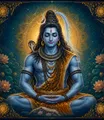
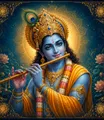
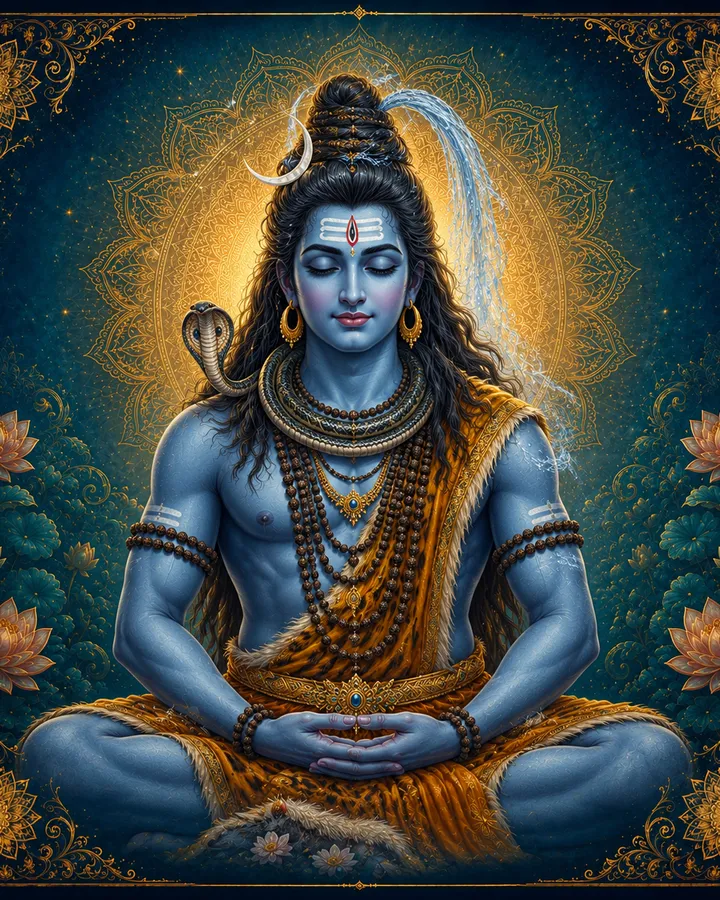
Jaap. No naga mantra is kept in ordinary daily practice; Shiva’s Om Namah Shivaya or Krishna’s mahamantra is the count on the day, and the Sarpa Sukta is recited by those who know it. The texts on the Shiva and Krishna pages are the ones to use.
Regional forms
- Maharashtra: Battis Shirala in Sangli district, where live cobras were carried in procession until the courts stopped it; the household naga drawn in the courtyard; nagpanchami as a sisters’ day.
- Karnataka and Andhra: Nagara Panchami, the anthill puja with milk, and the naga stones of every village.
- Kerala: the sarpa kavu offerings and the Mannarasala temple’s Nagaraja.
- West Bengal, Assam: Manasa Puja, to the serpent goddess Manasa of the Bengali Manasamangal, kept through the rains.
- Rajasthan, UP, Bihar: the wall drawing and the milk; wrestling fairs (dangal) on the day in UP and Haryana.
- Nepal: the naga image pasted over the door of every house in the Kathmandu valley.
The date
Panchami at sunrise in one’s own city; the table gives New Delhi. Gujarat and some western communities keep a Nag Panchami on the krishna Panchami of Shravana instead, a fortnight later, which is not computed here.
Dates 2027
Dates are for New Delhi (IST), computed from the tithi rule for 1 Sept 2026 to 31 Dec 2027. Rows marked computed have not yet been checked against a published panchang — confirm with a local calendar before planning around them. Dates already past are kept for reference.
| Date | Observance | Tithi at sunrise | Tithi (IST) | Notes |
|---|---|---|---|---|
| Nag Panchami | Shukla Panchami, Shravana | 6 Aug 02:28 → 7 Aug 00:23 | computed |
Frequently asked questions
When is Nag Panchami in 2027?
What is offered to the snakes?
Why is the day in Shravana?
What is the connection with Krishna and Kaliya?
Which mantra is chanted?
Sourcing
Checked against independent sources before publishing — see our sourcing and editorial policy. Spotted an error? Report an issue .