The text
Tap Recite along to follow verse by verse — use Next, or the arrow keys.
- Chaupai 1
पहले साईं के चरणों में, अपना शीश नमाऊं मैं।कैसे शिर्डी साईं आए, सारा हाल सुनाऊं मैं॥
pahale sāīṃ ke caraṇoṃ meṃ, apanā śīśa namāūṃ maiṃ।kaise śirḍī sāīṃ āe, sārā hāla sunāūṃ maiṃ॥
First, at Sai's feet, I bow my head. I shall tell the whole story of how Sai came to Shirdi.
- Chaupai 2
कौन हैं माता, पिता कौन हैं, यह न किसी ने भी जाना।कहां जनम साईं ने धारा, प्रश्न पहेली रहा बना॥
kauna haiṃ mātā, pitā kauna hai, yaha na kisī ne bhī jānā।kahāṃ janama sāīṃ ne dhārā, praśna pahelī rahā banā॥
Who was his mother, who his father — no one ever knew. Where Sai took birth remained a riddle unsolved.
- Chaupai 3
कोई कहे अयोध्या के ये, रामचन्द्र भगवान हैं।कोई कहता साईं बाबा, पवन-पुत्र हनुमान हैं॥
koī kahe ayodhyā ke ye, rāmacandra bhagavāna haiṃ।koī kahatā sāīṃ bābā, pavana-putra hanumāna haiṃ॥
Some say he is Lord Ramchandra of Ayodhya; some say Sai Baba is Hanuman, son of the wind.
- Chaupai 4
कोई कहता मंगल मूर्ति, श्री गजानन हैं साईं।कोई कहता गोकुल-मोहन, देवकी नन्दन हैं साईं॥
koī kahatā maṅgala mūrti, śrī gajānana haiṃ sāīṃ।koī kahatā gokula-mohana, devakī nandana haiṃ sāīṃ॥
Some say Sai is the auspicious form of Ganesha; some say Sai is the enchanter of Gokul, the son of Devaki (Krishna).
- Chaupai 5
शंकर समझ भक्त कई तो, बाबा को भजते रहते।कोई कह अवतार दत्त का, पूजा साईं की करते॥
śaṅkara samajha bhakta kaī to, bābā ko bhajate rahate।koī kaha avatāra datta kā, pūjā sāīṃ kī karate॥
Many devotees, taking him to be Shankar (Shiva), keep worshipping Baba; others, calling him an incarnation of Dattatreya, offer worship to Sai.
- Chaupai 6
कुछ भी मानो उनको तुम, पर साईं हैं सच्चे भगवान।बड़े दयालु, दीनबन्धु, कितनों को दिया है जीवन दान॥
kuch bhī māno unako tuma, para sāīṃ haiṃ sacce bhagavāna।baḍe dayālu, dīnabandhu, kitanoṃ ko diyā hai jīvana dāna॥
Whatever you take him to be, Sai is truly God — deeply compassionate, a friend to the lowly, who has given the gift of life to so many.
- Chaupai 7
कई वर्ष पहले की घटना, तुम्हें सुनाऊंगा मैं बात।किसी भाग्यशाली की, शिर्डी में आई थी बारात॥
kaī varṣa pahale kī ghaṭanā, tumheṃ sunāūṅgā maiṃ bāta।kisī bhāgyaśālī kī, śirḍī meṃ āī thī bārāt॥
I shall tell you of an event from many years ago: a wedding procession of some fortunate person had come to Shirdi.
- Chaupai 8
आया साथ उसी के था, बालक एक बहुत सुन्दर।आया, आकर वहीं बस गया, पावन शिर्डी किया नगर॥
āyā sātha usī ke thā, bālaka eka bahuta sundara।āyā, ākara vahīṃ basa gayā, pāvana śirḍī kiyā nagara॥
With it came a very beautiful boy, who arrived and settled right there, making holy Shirdi his town.
- Chaupai 9
कई दिनों तक रहा भटकता, भिक्षा मांगी उसने दर-दर।और दिखाई ऐसी लीला, जग में जो हो गई अमर॥
kaī dinoṃ taka rahā bhaṭakatā, bhikṣā māṅgī usane dara-dara।aura dikhāī aisī līlā, jaga meṃ jo ho gaī amara॥
For many days he wandered, begging alms from door to door, and displayed such divine play as became immortal in the world.
- Chaupai 10
जैसे-जैसे उमर बढ़ी, वैसे ही बढ़ती गई शान।घर-घर होने लगा नगर में, साईं बाबा का गुणगान॥
jaise-jaise umara baḍhī, vaise hī baḍhatī gaī śāna।ghara-ghara hone lagā nagara meṃ, sāīṃ bābā kā guṇagāna॥
As his years increased, so his glory grew; in every home in town, the singing of Sai Baba's praises began.
- Chaupai 11
दिग्-दिगन्त में लगा गूंजने, फिर तो साईंजी का नाम।दीन-दुखी की रक्षा करना, यही रहा बाबा का काम॥
dig-diganta meṃ lagā gūñjane, phira to sāīṃjī kā nāma।dīna-dukhī kī rakṣā karanā, yahī rahā bābā kā kāma॥
Then the name of Sai began to echo to every horizon; protecting the humble and the sorrowful remained Baba's work.
- Chaupai 12
बाबा के चरणों में जाकर, जो कहता मैं हूं निर्धन।दया उसी पर होती उनकी, खुल जाते दुःख के बन्धन॥
bābā ke caraṇoṃ meṃ jākara, jo kahatā maiṃ hūṃ nirdhana।dayā usī para hotī unakī, khula jāte duḥkha ke bandhana॥
Whoever went to Baba's feet and said "I am poor" — his grace would fall on that one, and the bonds of sorrow would open.
- Chaupai 13
कभी किसी ने मांगी भिक्षा, दो बाबा मुझको सन्तान।एवमस्तु तब कहकर साईं, देते थे उसको वरदान॥
kabhī kisī ne māṅgī bhikṣā, do bābā mujhako santāna।evamastu taba kahakara sāīṃ, dete the usako varadāna॥
Whenever someone begged, "Baba, give me a child," Sai would say "so be it" and grant that boon.
- Chaupai 14
स्वयं दुःखी बाबा हो जाते, दीन-दुखी जन का लख हाल।अन्तःकरण श्री साईं का, सागर जैसा रहा विशाल॥
svayaṃ duḥkhī bābā ho jāte, dīna-dukhī jana kā lakha hāla।antaḥkaraṇa śrī sāīṃ kā, sāgara jaisā rahā viśāla॥
Baba himself would grow sorrowful, seeing the state of the humble and suffering; Sai's inner heart remained as vast as the ocean.
- Chaupai 15
भक्त एक मद्रासी आया, घर का बहुत बड़ा धनवान।माल खजाना बेहद उसका, केवल नहीं रही सन्तान॥
bhakta eka madrāsī āyā, ghara kā bahuta baḍā dhanavāna।māla khajānā behada usakā, kevala nahīṃ rahī santāna॥
A devotee from Madras came, from a very wealthy household; his goods and treasure were vast, but he had no child.
- Chaupai 16
लगा मनाने साईं नाथ को, बाबा मुझ पर दया करो।झंझा से झंकृत नैया को, तुम ही मेरी पार करो॥
lagā manāne sāīṃ nātha ko, bābā mujha para dayā karo।jhañjhā se jhaṅkṛta naiyā ko, tuma hī merī pāra karo॥
He began pleading with Sainath: "Baba, show mercy on me; you alone can carry my storm-battered boat across."
- Chaupai 17
कुलदीपक के बिना अंधेरा, छाया हुआ घर में मेरे।इसलिए आया हूं बाबा, होकर शरणागत तेरे॥
kuladīpaka ke binā andherā, chāyā huā ghara meṃ mere।isalie āyā hūṃ bābā, hokara śaraṇāgata tere॥
Without an heir, darkness has settled over my house; that is why, Baba, I have come, taking refuge at your feet.
- Chaupai 18
कुलदीपक के अभाव में, व्यर्थ है दौलत की माया।आज भिखारी बन कर बाबा, शरण तुम्हारी मैं आया॥
kuladīpaka ke abhāva meṃ, vyartha hai daulata kī māyā।āja bhikhārī bana kara bābā, śaraṇa tumhārī maiṃ āyā॥
Without an heir, the illusion of wealth is worthless; today, Baba, I have become a beggar and come to your refuge.
- Chaupai 19
दे दो मुझको पुत्र दान, मैं ऋणी रहूंगा जीवन भर।और किसी की आस न मुझको, सिर्फ़ भरोसा है तुम पर॥
de do mujhako putra dāna, maiṃ ṛṇī rahūṅgā jīvana bhara।aura kisī kī āsa na mujhako, sirfa bharosā hai tuma para॥
Grant me the gift of a son — I shall remain in your debt my whole life. I have no hope from anyone else; my trust is in you alone.
- Chaupai 20
अनुनय-विनय बहुत की उसने, चरणों में धर के शीश।तब प्रसन्न होकर बाबा ने, दिया भक्त को यह आशीष॥
anunaya-vinaya bahuta kī usane, caraṇoṃ meṃ dhara ke śīśa।taba prasanna hokara bābā ne, diyā bhakta ko yaha āśīṣa॥
He entreated at length, placing his head at Baba's feet; then, pleased, Baba gave the devotee this blessing.
- Chaupai 21
अल्ला भला करेगा तेरा, पुत्र जन्म हो तेरे घर।कृपा होगी तुम पर उसकी, और तेरे उस बालक पर॥
allā bhalā karegā terā, putra janma ho tere ghara।kṛpā hogī tuma para usakī, aura tere usa bālaka para॥
"Allah will do you good — a son shall be born in your house. His grace will be upon you, and upon that child of yours."
- Chaupai 22
अब तक नही किसी ने पाया, साईं की कृपा का पार।पुत्र रत्न दे मद्रासी को, धन्य किया उसका संसार॥
aba taka nahī kisī ne pāyā, sāīṃ kī kṛpā kā pāra।putra ratna de madrāsī ko, dhanya kiyā usakā saṃsāra॥
To this day no one has found the limit of Sai's grace; giving a jewel of a son to the man from Madras, he blessed his whole household.
- Chaupai 23
तन-मन से जो भजे उसी का, जग में होता है उद्धार।सांच को आंच नहीं है कोई, सदा झूठ की होती हार॥
tana-mana se jo bhaje usī kā, jaga meṃ hotā hai uddhāra।sāṃca ko āṃca nahīṃ hai koī, sadā jhūṭha kī hotī hāra॥
Whoever worships him with body and mind is delivered in this world; truth is never touched by harm, falsehood always meets defeat.
- Chaupai 24
मैं हूं सदा सहारे उसके, सदा रहूंगा उसका दास।साईं जैसा प्रभु मिला है, इतनी ही कम है क्या आस॥
maiṃ hūṃ sadā sahāre usake, sadā rahūṅgā usakā dāsa।sāīṃ jaisā prabhu milā hai, itanī hī kama hai kyā āsa॥
I am ever leaning on his support, and shall always remain his servant; when a lord like Sai has been found, is there really so little hope left?
- Chaupai 25
मेरा भी दिन था इक ऐसा, मिलती नहीं मुझे थी रोटी।तन पर कपड़ा दूर रहा था, शेष रही नन्हीं सी लंगोटी॥
merā bhī dina thā ika aisā, milatī nahīṃ mujhe thī roṭī।tana para kapaḍā dūra rahā thā, śeṣa rahī nanhīṃ sī laṅgoṭī॥
I too had such a day, when I could not even get bread; clothing on my body was far off — only a tiny loincloth remained.
- Chaupai 26
सरिता सन्मुख होने पर भी मैं प्यासा का प्यासा था।दुर्दिन मेरा मेरे ऊपर, दावाग्नि बरसाता था॥
saritā sanmukha hone para bhī maiṃ pyāsā kā pyāsā thā।durdina merā mere ūpara, dāvāgni barasātā thā॥
Even with a river right before me, I remained thirsty upon thirsty; my hard days rained forest-fire upon me.
- Chaupai 27
धरती के अतिरिक्त जगत में, मेरा कुछ अवलम्ब न था।बना भिखारी मैं दुनिया में, दर-दर ठोकर खाता था॥
dharatī ke atirikta jagata meṃ, merā kuch avalamba na thā।banā bhikhārī maiṃ duniyā meṃ, dara-dara ṭhokara khātā thā॥
In this world, besides the earth itself, I had no support at all; become a beggar, I stumbled from door to door.
- Chaupai 28
ऐसे में इक मित्र मिला जो, परम भक्त साईं का था।जंजालों से मुक्त मगर इस, जगती में वह मुझ-सा था॥
aise meṃ ika mitra milā jo, parama bhakta sāīṃ kā thā।jañjāloṃ se mukta magara isa, jagatī meṃ vaha mujha-sā thā॥
In such a state I found a friend who was a supreme devotee of Sai; though free of worldly entanglements, in this world he was like me.
- Chaupai 29
बाबा के दर्शन की खातिर, मिल दोनों ने किया विचार।साईं जैसे दया-मूर्ति के, दर्शन को हो गए तैयार॥
bābā ke darśana kī khātira, mila donoṃ ne kiyā vicāra।sāīṃ jaise dayā-mūrti ke, darśana ko ho gae taiyāra॥
For the sake of Baba's darshan, the two of us together made up our minds, and got ready for the sight of one so full of mercy as Sai.
- Chaupai 30
पावन शिर्डी नगरी में जाकर, देखी मतवाली मूर्ति।धन्य जन्म हो गया कि हमने, जब देखी साईं की सूरति॥
pāvana śirḍī nagarī meṃ jākara, dekhī matavālī mūrti।dhanya janma ho gayā ki hamane, jaba dekhī sāīṃ kī sūrati॥
Going to the holy town of Shirdi, we saw that entrancing form; our birth was blessed the moment we beheld Sai's face.
- Chaupai 31
जबसे किए हैं दर्शन हमने, दुःख सारा काफूर हो गया।संकट सारे मिटे और, विपदाओं का अन्त हो गया॥
jabase kie haiṃ darśana hamane, duḥkha sārā kāphūra ho gayā।saṅkaṭa sāre miṭe aura, vipadāoṃ kā anta ho gayā॥
Ever since we had that darshan, all our sorrow has vanished into thin air; every trouble has been erased, and our misfortunes have come to an end.
- Chaupai 32
मान और सम्मान मिला, भिक्षा में हमको बाबा से।प्रतिबिम्बित हो उठे जगत में, हम साईं की आभा से॥
māna aura sammāna milā, bhikṣā meṃ hamako bābā se।pratibimbita ho uṭhe jagata meṃ, hama sāīṃ kī ābhā se॥
We received honor and respect as alms from Baba; we came to be reflected in the world by Sai's own radiance.
- Chaupai 33
बाबा ने सम्मान दिया है, मान दिया इस जीवन में।इसका ही सम्बल ले मैं, हंसता जाऊंगा जीवन में॥
bābā ne sammāna diyā hai, māna diyā isa jīvana meṃ।isakā hī sambala le maiṃ, hansatā jāūṅgā jīvana meṃ॥
Baba has given honor, has given dignity to this life; carrying only this as my support, I shall go through life smiling.
- Chaupai 34
साईं की लीला का मेरे, मन पर ऐसा असर हुआ।लगता जगती के कण-कण में, जैसे हो वह भरा हुआ॥
sāīṃ kī līlā kā mere, mana para aisā asara huā।lagatā jagatī ke kaṇa-kaṇa meṃ, jaise ho vaha bharā huā॥
Sai's divine play has had such an effect on my mind that it feels as if he fills every single particle of this world.
- Chaupai 35
"काशीराम" बाबा का भक्त, इस शिर्डी में रहता था।मैं साईं का साईं मेरा, वह दुनिया से कहता था॥
"kāśīrāma" bābā kā bhakta, isa śirḍī meṃ rahatā thā।maiṃ sāīṃ kā sāīṃ merā, vaha duniyā se kahatā thā॥
"Kashiram," a devotee of Baba, lived right there in Shirdi; "I am Sai's, Sai is mine," he would tell the world.
- Chaupai 36
सीकर स्वयं वस्त्र बेचता, ग्राम नगर बाजारों में।झंकृत उसकी हृद तन्त्री थी, साईं की झंकारों में॥
sīkara svayaṃ vastra becatā, grāma nagara bājāroṃ meṃ।jhaṅkṛta usakī hṛda tantrī thī, sāīṃ kī jhaṅkāroṃ meṃ॥
He himself would sew and sell cloth in the markets of village and town; the strings of his heart resonated only to the sound of Sai's name.
- Chaupai 37
स्तब्ध निशा थी, थे सोये, रजनी आंचल में चांद-सितारे।नहीं सूझता रहा हाथ को हाथ तिमिर के मारे॥
stabdha niśā thī, the soye, rajanī āñcala meṃ cāṃda-sitāre।nahīṃ sūjhatā rahā hātha ko hātha timira ke māre॥
The night was still, and moon and stars slept in the lap of the dark; struck by the gloom, a hand could not even see its own hand.
- Chaupai 38
वस्त्र बेचकर लौट रहा था, हाय! हाट से "काशी"।विचित्र बड़ा संयोग कि उस दिन, आता था वह एकाकी॥
vastra bechakara lauṭa rahā thā, hāya! hāṭa se "kāśī"।vicitra baḍā saṃyoga ki usa dina, ātā thā vaha ekākī॥
"Kashi" was returning, alas, from the market after selling his cloth; by a strange coincidence, that day he was coming home alone.
- Chaupai 39
घेर राह में खड़े हो गए, उसे कुटिल, अन्यायी।मारो काटो लूटो इस की ही ध्वनि पड़ी सुनाई॥
ghera rāha meṃ khaḍe ho gae, use kuṭila, anyāyī।māro kāṭo lūṭo isa kī hī dhvani paḍī sunāī॥
Wicked, unjust men surrounded him and blocked his path; the only sound to be heard was "Beat him, cut him, loot him!"
- Chaupai 40
लूट पीट कर उसे वहां से, कुटिल गये चम्पत हो।आघातों से मर्माहत हो, उसने दी संज्ञा खो॥
lūṭa pīṭa kara use vahāṃ se, kuṭila gaye campata ho।āghātoṃ se marmāhata ho, usane dī sañjñā kho॥
Having robbed and beaten him there, the wicked men fled; wounded to the core by the blows, he lost consciousness.
- Chaupai 41
बहुत देर तक पड़ा रहा वह, वहीं उसी हालत में।जाने कब कुछ होश हो उठा, उसको किसी पलक में॥
bahuta dera taka paḍā rahā vaha, vahīṃ usī hālata meṃ।jāne kaba kuch hośa ho uṭhā, usako kisī palaka meṃ॥
For a long time he lay there, right there in that same state; only who knows when, in some instant, some awareness returned to him.
- Chaupai 42
अनजाने ही उसके मुंह से, निकल पड़ा था साईं।जिसकी प्रतिध्वनि शिर्डी में, बाबा को पड़ी सुनाई॥
anajāne hī usake muṃha se, nikala paḍā thā sāīṃ।jisakī pratidhvani śirḍī meṃ, bābā ko paḍī sunāī॥
Without his even knowing it, the word "Sai" had escaped his lips — and its echo was heard by Baba, back in Shirdi.
- Chaupai 43
क्षुब्ध उठा हो मानस उनका, बाबा गए विकल हो।लगता जैसे घटना सारी, घटी उन्हीं के सम्मुख हो॥
kṣubdha uṭhā ho mānasa unakā, bābā gae vikala ho।lagatā jaise ghaṭanā sārī, ghaṭī unhīṃ ke sammukha ho॥
Baba's mind rose up in turmoil, and he grew distressed, as if the whole event had happened right before his own eyes.
- Chaupai 44
उन्मादी से इधर-उधर, तब बाबा लगे भटकने।सम्मुख चीजें जो भी आईं, उनको लगे पटकने॥
unmādī se idhara-udhara, taba bābā lage bhaṭakane।sammukha cīzeṃ jo bhī āīṃ, unako lage paṭakane॥
Like a man possessed, Baba began pacing here and there, and started flinging down whatever came before him.
- Chaupai 45
और धधकते अंगारों में, बाबा ने अपना कर डाला।हुए सशंकित सभी वहां, लख ताण्डव नृत्य निराला॥
aura dhadhakate aṅgāroṃ meṃ, bābā ne apanā kara ḍālā।hue saśaṅkita sabhī vahāṃ, lakha tāṇḍava nṛtya nirālā॥
He thrust his own hand into the blazing embers; everyone there grew alarmed, watching this extraordinary, fierce dance.
- Chaupai 46
समझ गए सब लोग कि कोई, भक्त पड़ा संकट में।क्षुभित खड़े थे सभी वहां पर, पड़े हुए विस्मय में॥
samajha gae saba loga ki koī, bhakta paḍā saṅkaṭa meṃ।kṣubhita khaḍe the sabhī vahāṃ para, paḍe hue vismaya meṃ॥
Everyone understood that some devotee had fallen into danger; all stood there troubled, caught up in astonishment.
- Chaupai 47
उसे बचाने के ही खातिर, बाबा आज विकल हैं।उसकी ही पीड़ा से पीड़ित, उनका अन्तःस्थल है॥
use bacāne ke hī khātira, bābā āja vikala haiṃ।usakī hī pīḍā se pīḍita, unakā antaḥsthala hai॥
For the sake of saving him alone, Baba was distressed that day; it was that man's very pain that afflicted Baba's own inmost being.
- Chaupai 48
इतने में ही विधि ने अपनी, विचित्रता दिखलाई।लख कर जिसको जनता की, श्रद्धा-सरिता लहराई॥
itane meṃ hī vidhi ne apanī, vicitratā dikhalāī।lakha kara jisako janatā kī, śraddhā-saritā laharāī॥
Just then, fate revealed its own strangeness — a sight that made the river of the people's faith surge higher still.
- Chaupai 49
लेकर कर संज्ञाहीन भक्त को, गाड़ी एक वहां आई।सम्मुख अपने देख भक्त को, साईं की आंखें भर आईं॥
lekara kara sañjñāhīna bhakta ko, gāḍī eka vahāṃ āī।sammukha apane dekha bhakta ko, sāīṃ kī āṃkheṃ bhara āīṃ॥
A cart arrived there, carrying the unconscious devotee; seeing him before his own eyes, Sai's own eyes filled with tears.
- Chaupai 50
शान्त, धीर, गम्भीर सिन्धु-सा, बाबा का अन्तःस्थल।आज न जाने क्यों रह-रह कर, हो जाता था चंचल॥
śānta, dhīra, gambhīra sindhu-sā, bābā kā antaḥsthala।āja na jāne kyoṃ raha-raha kara, ho jātā thā cañcala॥
Baba's inmost being, usually calm, steady, and deep as the ocean, kept turning restless that day, for no one knew quite why.
- Chaupai 51
आज दया की मूर्ति स्वयं था, बना हुआ उपचारी।और भक्त के लिए आज था, देव बना प्रतिहारी॥
āja dayā kī mūrti svayaṃ thā, banā huā upacārī।aura bhakta ke lie āja thā, deva banā pratihārī॥
That day, the very image of mercy himself became the healer; and for that devotee, the god became a doorkeeper standing at watch.
- Chaupai 52
आज भक्ति की विषम परीक्षा में, सफल हुआ था काशी।उसके ही दर्शन के खातिर, थे उमड़े नगर-निवासी॥
āja bhakti kī viṣama parīkṣā meṃ, saphala huā thā kāśī।usake hī darśana ke khātira, the umaḍe nagara-nivāsī॥
That day Kashi had passed through a severe trial of devotion; the townspeople had thronged there just to see him.
- Chaupai 53
जब भी और जहां भी कोई, भक्त पड़े संकट में।उसकी रक्षा करने बाबा, आते हैं पलभर में॥
jaba bhī aura jahāṃ bhī koī, bhakta paḍe saṅkaṭa meṃ।usakī rakṣā karane bābā, āte haiṃ palabhara meṃ॥
Whenever and wherever any devotee falls into trouble, Baba arrives in an instant to protect him.
- Chaupai 54
युग-युग का है सत्य यह, नहीं कोई नई कहानी।आपातग्रस्त भक्त जब होता, आते खुद अन्तर्यामी॥
yuga-yuga kā hai satya yaha, nahīṃ koī naī kahānī।āpatagrasta bhakta jaba hotā, āte khuda antaryāmī॥
This is a truth of every age, not some new story: whenever a devotee is caught in crisis, the indweller of every heart himself comes.
- Chaupai 55
भेद-भाव से परे पुजारी, मानवता के थे साईं।जितने प्यारे हिन्दू-मुस्लिम, उतने ही थे सिक्ख ईसाई॥
bheda-bhāva se pare pujārī, mānavatā ke the sāīṃ।jitane pyāre hindū-muslima, utane hī the sikkha īsāī॥
Sai was a priest beyond all distinction, a priest of humanity itself; Hindus and Muslims were as dear to him as Sikhs and Christians.
- Chaupai 56
भेद-भाव मन्दिर-मस्जिद का, तोड़-फोड़ बाबा ने डाला।राम-रहीम सभी उनके थे, कृष्ण-करीम-अल्लाताला॥
bheda-bhāva mandira-masjida kā, toḍa-phoḍa bābā ne ḍālā।rāma-rahīma sabhī unake the, kṛṣṇa-karīma-allātālā॥
Baba broke down the distinction between temple and mosque; Ram and Rahim, Krishna and Karim and Allah ta'ala, were all one to him.
- Chaupai 57
घण्टे की प्रतिध्वनि से गूंजा, मस्जिद का कोना-कोना।मिले परस्पर हिन्दू-मुस्लिम, प्यार बढ़ा दिन-दिन दूना॥
ghaṇṭe kī pratidhvani se gūñjā, masjida kā konā-konā।mile paraspara hindū-muslima, pyāra baḍhā dina-dina dūnā॥
Every corner of the mosque rang with the echo of the temple bell; Hindus and Muslims met one another, and their love doubled day by day.
- Chaupai 58
चमत्कार था कितना सुंदर, परिचय इस काया ने दी।और नीम कडुवाहट में भी, मिठास बाबा ने भर दी॥
camatkāra thā kitanā sundara, paricaya isa kāyā ne dī।aura nīma kaḍuvāhaṭa meṃ bhī, miṭhāsa bābā ne bhara dī॥
How beautiful was the wonder this form revealed — Baba filled even the bitterness of the neem tree with sweetness.
- Chaupai 59
सबको स्नेह दिया साईं ने, सबको सन्तुल प्यार किया।जो कुछ जिसने भी चाहा, बाबा ने उनको वही दिया॥
sabako sneha diyā sāīṃ ne, sabako santula pyāra kiyā।jo kuch jisane bhī cāhā, bābā ne unako vahī diyā॥
Sai gave affection to all, and loved everyone in equal measure; whatever anyone wished for, Baba gave them exactly that.
- Chaupai 60
ऐसे स्नेह शील भाजन का, नाम सदा जो जपा करे।पर्वत जैसा दुःख न क्यों हो, पलभर में वह दूर टरे॥
aise sneha śīla bhājana kā, nāma sadā jo japā kare।parvata jaisā duḥkha na kyoṃ ho, palabhara meṃ vaha dūra ṭare॥
Whoever ever keeps repeating the name of one so full of love and virtue — however mountain-like the sorrow may be, it will move away in a moment.
- Chaupai 61
साईं जैसा दाता हमने, अरे नहीं देखा कोई।जिसके केवल दर्शन से ही, सारी विपदा दूर हो गई॥
sāīṃ jaisā dātā hamane, are nahīṃ dekhā koī।jisake kevala darśana se hī, sārī vipadā dūra ho gaī॥
We have never seen a giver like Sai — by his darshan alone, every misfortune was driven away.
- Chaupai 62
तन में साईं, मन में साईं, साईं-साईं भजा करो।अपने तन की सुधि-बुधि खोकर, सुधि उसकी तुम किया करो॥
tana meṃ sāīṃ, mana meṃ sāīṃ, sāīṃ-sāīṃ bhajā karo।apane tana kī sudhi-budhi khokara, sudhi usakī tuma kiyā karo॥
Sai in the body, Sai in the mind — keep chanting "Sai, Sai"; forgetting all awareness of your own body, keep your awareness fixed on him alone.
- Chaupai 63
जब तू अपनी सुधि तज, बाबा की सुधि किया करेगा।और रात-दिन बाबा, बाबा ही तू रटा करेगा॥
jaba tū apanī sudhi taja, bābā kī sudhi kiyā karegā।aura rāta-dina bābā, bābā hī tū raṭā karegā॥
When you give up awareness of yourself and keep your awareness on Baba instead, and keep repeating "Baba, Baba" day and night —
- Chaupai 64
तो बाबा को अरे! विवश हो, सुधि तेरी लेनी ही होगी।तेरी हर इच्छा बाबा को, पूरी ही करनी होगी॥
to bābā ko are! vivaśa ho, sudhi terī lenī hī hogī।terī hara icchā bābā ko, pūrī hī karanī hogī॥
— then Baba, unable to help himself, will have no choice but to take notice of you; he will have no choice but to fulfill your every wish.
- Chaupai 65
जंगल-जंगल भटक न पागल, और ढूंढ़ने बाबा को।एक जगह केवल शिर्डी में, तू पायेगा बाबा को॥
jaṅgala-jaṅgala bhaṭaka na pāgala, aura ḍhūṇḍhane bābā ko।eka jagaha kevala śirḍī meṃ, tū pāyegā bābā ko॥
Do not wander madly from forest to forest searching for Baba; in one place alone, in Shirdi, you will find him.
- Chaupai 66
धन्य जगत में प्राणी है वह, जिसने बाबा को पाया।दुःख में सुख में प्रहर आठ हो, साईं का ही गुण गाया॥
dhanya jagata meṃ prāṇī hai vaha, jisane bābā ko pāyā।duḥkha meṃ sukha meṃ prahara āṭha ho, sāīṃ kā hī guṇa gāyā॥
Blessed is that being in the world who has found Baba, and who, whether in sorrow or in joy, sings Sai's praises through all eight watches of the day.
- Chaupai 67
गिरें संकटों के पर्वत, चाहे बिजली ही टूट पड़े।साईं का ले नाम सदा तुम, सम्मुख सब के रहो अड़े॥
girẽ saṅkaṭoṃ ke parvata, cāhe bijalī hī ṭūṭa paḍe।sāīṃ kā le nāma sadā tuma, sammukha saba ke raho aḍe॥
Even if mountains of trouble should fall, or lightning itself should strike — taking Sai's name always, stand firm before everyone.
- Chaupai 68
इस बूढ़े की करामात सुन, तुम हो जाओगे हैरान।दंग रह गये सुनकर जिसको, जाने कितने चतुर सुजान॥
isa būḍhe kī karāmāta suna, tuma ho jāoge hairāna।daṅga raha gaye sunakara jisako, jāne kitane catura sujāna॥
Hearing this old man's wonder, you too will be amazed; hearing it, who knows how many clever, learned people have been left stunned.
- Chaupai 69
एक बार शिर्डी में साधू, ढ़ोंगी था कोई आया।भोली-भाली नगर-निवासी, जनता को था भरमाया॥
eka bāra śirḍī meṃ sādhū, ḍhoṅgī thā koī āyā।bholī-bhālī nagara-nivāsī, janatā ko thā bharamāyā॥
Once, some fraudulent so-called sadhu came to Shirdi and deceived the simple, trusting townspeople.
- Chaupai 70
जड़ी-बूटियां उन्हें दिखाकर, करने लगा वहां भाषण।कहने लगा सुनो श्रोतागण, घर मेरा है वृन्दावन॥
jaḍī-būṭiyāṃ unheṃ dikhākara, karane lagā vahāṃ bhāṣaṇa।kahane lagā suno śrotāgaṇa, ghara merā hai vṛndāvana॥
Showing them roots and herbs, he began giving a speech there, saying, "Listen, good people — my home is Vrindavan."
- Chaupai 71
औषधि मेरे पास एक है, और अजब इसमें शक्ति।इसके सेवन करने से ही, हो जाती दुःख से मुक्ति॥
auṣadhi mere pāsa eka hai, aura ajaba isameṃ śakti।isake sevana karane se hī, ho jātī duḥkha se mukti॥
"I have one medicine, and it holds a strange power; by taking it alone, one is freed from all sorrow."
- Chaupai 72
अगर मुक्त होना चाहो तुम, संकट से बीमारी से।तो है मेरा नम्र निवेदन, हर नर से हर नारी से॥
agara mukta honā cāho tuma, saṅkaṭa se bīmārī se।to hai merā namra nivedana, hara nara se hara nārī se॥
"If you wish to be freed from trouble and from illness, then this is my humble request to every man and every woman."
- Chaupai 73
लो खरीद तुम इसको इसकी, सेवन विधियां हैं न्यारी।यद्यपि तुच्छ वस्तु है यह, गुण उसके हैं अति भारी॥
lo kharīda tuma isako isakī, sevana vidhiyāṃ haiṃ nyārī।yadyapi tuccha vastu hai yaha, guṇa usake haiṃ ati bhārī॥
"Buy this from me — its ways of use are quite unique; though it is a humble thing, its virtues are exceedingly great."
- Chaupai 74
जो है संतति हीन यहां यदि, मेरी औषधि को खायें।पुत्र-रत्न हो प्राप्त, अरे वह मुंह मांगा फल पायें॥
jo hai santati hīna yahāṃ yadi, merī auṣadhi ko khāyeṃ।putra-ratna ho prāpta, are vaha muṃha māṅgā phala pāyeṃ॥
"Whoever here is childless, if they take my medicine, shall obtain a jewel of a son — they shall get exactly the fruit they ask for."
- Chaupai 75
औषधि मेरी जो न खरीदे, जीवन भर पछतायेगा।मुझ जैसा प्राणी शायद ही, अरे यहां आ पायेगा॥
auṣadhi merī jo na kharīde, jīvana bhara pachatāyegā।mujha jaisā prāṇī śāyada hī, are yahāṃ ā pāyegā॥
"Whoever does not buy my medicine will regret it their whole life; a being like me will hardly ever come here again."
- Chaupai 76
दुनियां दो दिन का मेला है, मौज शौक तुम भी कर लो।गर इससे मिलता है, सब कुछ, तुम भी इसको ले लो॥
duniyāṃ do dina kā melā hai, mauja śauka tuma bhī kara lo।gara isase milatā hai, saba kuch, tuma bhī isako le lo॥
"This world is a fair lasting only two days — enjoy yourselves too. If everything can be had through this, then take it too."
- Chaupai 77
हैरानी बढ़ती जनता की, लख इसकी कारस्तानी।प्रमुदित वह भी मन ही मन था, लख लोगो की नादानी॥
hairānī baḍhatī janatā kī, lakha isakī kārastānī।pramudita vaha bhī mana hī mana thā, lakha logo kī nādānī॥
The people's astonishment grew, watching his tricks; and he too was secretly delighted, watching the people's foolishness.
- Chaupai 78
खबर सुनाने बाबा को यह, गया दौड़कर सेवक एक।सुनकर भृकुटि तनी और, विस्मरण हो गया सभी विवेक॥
khabara sunāne bābā ko yaha, gayā dauḍakara sevaka eka।sunakara bhṛkuṭi tanī aura, vismaraṇa ho gayā sabhī viveka॥
A servant ran off to tell Baba this news; hearing it, Baba's brow tightened, and for a moment all his usual composure was shaken.
- Chaupai 79
हुक्म दिया सेवक को, सत्वर पकड़ दुष्ट को लाओ।या शिर्डी की सीमा से, कपटी को दूर भगाओ॥
hukma diyā sevaka ko, satvara pakaḍa duṣṭa ko lāo।yā śirḍī kī sīmā se, kapaṭī ko dūra bhagāo॥
He ordered the servant: "Quickly seize this wicked man and bring him here, or else drive the deceiver out of Shirdi's bounds."
- Chaupai 80
मेरे रहते भोली-भाली, शिर्डी की जनता को।कौन नीच ऐसा जो, साहस करता है छलने को॥
mere rahate bholī-bhālī, śirḍī kī janatā ko।kauna nīca aisā jo, sāhasa karatā hai chalane ko॥
"While I am here, who is this base person who dares to deceive Shirdi's simple, trusting people?"
- Chaupai 81
पल भर में ही ऐसे ढ़ोंगी, कपटी नीच लुटेरे को।महानाश के महागर्त में, पहुंचा दूं जीवन भर को॥
pala bhara meṃ hī aise ḍhoṅgī, kapaṭī nīca luṭere ko।mahānāśa ke mahāgarta meṃ, pahuṃcā dūṃ jīvana bhara ko॥
"In a single moment I could send such a fraudulent, deceitful, base thief into the deep pit of utter ruin for the rest of his life."
- Chaupai 82
तनिक मिला आभास मदारी क्रूर कुटिल अन्यायी को।काल नाचता है अब सिर पर, गुस्सा आया साईं को॥
tanika milā ābhāsa madārī krūra kuṭila anyāyī ko।kāla nācatā hai aba sira para, gussā āyā sāīṃ ko॥
The cruel, crooked, unjust trickster got just a hint of this — that death itself was now dancing over his head, for Sai had grown angry.
- Chaupai 83
पल भर में सब खेल बन्द कर, भागा सिर पर रखकर पैर।सोच था मन ही मन, भगवान नहीं है अब खैर॥
pala bhara meṃ saba khela banda kara, bhāgā sira para rakhakara paira।soca thā mana hī mana, bhagavāna nahīṃ hai aba khaira॥
In an instant he stopped his whole act and fled as fast as his legs would carry him, thinking to himself, "God help me, there is no safety for me now."
- Chaupai 84
सच है साईं जैसा दानी, मिल न सकेगा जग में।अंश ईश का साईं बाबा, उन्हें न कुछ भी मुश्किल जग में॥
sac hai sāīṃ jaisā dānī, mila na sakegā jaga meṃ।aṃśa īśa kā sāīṃ bābā, unheṃ na kuch bhī muśkila jaga meṃ॥
It is true that a giver like Sai cannot be found in this world; Sai Baba, being a portion of God himself, finds nothing at all difficult in this world.
- Chaupai 85
स्नेह, शील, सौजन्य आदि का, आभूषण धारण कर।बढ़ता इस दुनिया में जो भी, मानव-सेवा के पथ पर॥
sneha, śīla, saujanya ādi kā, ābhūṣaṇa dhāraṇa kara।baḍhatā isa duniyā meṃ jo bhī, mānava-sevā ke patha para॥
Wearing the ornaments of affection, virtue, and courtesy, whoever advances in this world on the path of service to humanity —
- Chaupai 86
वही जीत लेता है जगती के, जन-जन का अन्तःस्थल।उसकी एक उदासी ही जग को कर देती है विह्वल॥
vahī jīta letā hai jagatī ke, jana-jana kā antaḥsthala।usakī eka udāsī hī jaga ko kara detī hai vihvala॥
— that person alone wins the innermost heart of every person in this world; even a single moment of his sorrow is enough to overwhelm the world.
- Chaupai 87
जब-जब जग में भार पाप का, बढ़ बढ़ ही जाता है।उसे मिटाने के ही खातिर, अवतारी ही आता है॥
jaba-jaba jaga meṃ bhāra pāpa kā, baḍha baḍha hī jātā hai।use miṭāne ke hī khātira, avatārī hī ātā hai॥
Whenever the burden of sin in this world keeps growing greater and greater, it is only for the sake of ending it that a divine incarnation comes.
- Chaupai 88
पाप और अन्याय सभी कुछ, इस जगती का हर के।दूर भगा देता दुनिया के, दानव को क्षण भर में॥
pāpa aura anyāya sabhī kuch, isa jagatī kā hara ke।dūra bhagā detā duniyā ke, dānava ko kṣaṇa bhara meṃ॥
Taking away all the sin and injustice of this world, he drives away the world's demons in a single moment.
- Chaupai 89
स्नेह सुधा की धार बरसने, लगती है इस दुनिया में।गले परस्पर मिलने लगते, हैं जन-जन आपस में॥
sneha sudhā kī dhāra barasane, lagatī hai isa duniyā meṃ।gale paraspara milane lagate, haiṃ jana-jana āpasa meṃ॥
A stream of the nectar of love begins to rain down in this world, and people begin embracing one another everywhere.
- Chaupai 90
ऐसे ही अवतारी साईं, मृत्युलोक में आकर।समता का यह पाठ पढ़ाया, सबको अपना आप मिटाकर॥
aise hī avatārī sāīṃ, mṛtyuloka meṃ ākara।samatā kā yaha pāṭha paḍhāyā, sabako apanā āpa miṭākara॥
In just this way, the incarnate Sai came into this mortal world, and, effacing his own self, taught everyone this lesson of equality.
- Chaupai 91
नाम द्वारका मस्जिद का, रक्खा शिर्डी में साईं ने।दाप, ताप, सन्ताप मिटाया, जो कुछ आया साईं ने॥
nāma dvārakā masjida kā, rakkhā śirḍī meṃ sāīṃ ne।dāpa, tāpa, santāpa miṭāyā, jo kuch āyā sāīṃ ne॥
Sai gave the mosque at Shirdi the name Dwarkamai; whatever arrogance, torment, or anguish came his way, Sai erased it.
- Chaupai 92
सदा याद में मस्त राम की, बैठे रहते थे साईं।पहर आठ ही राम नाम का, भजते रहते थे साईं॥
sadā yāda meṃ masta rāma kī, baiṭhe rahate the sāīṃ।pahara āṭha hī rāma nāma kā, bhajate rahate the sāīṃ॥
Sai would sit ever absorbed in remembrance of Rama; through all eight watches of the day, Sai kept repeating the name of Ram.
- Chaupai 93
सूखी-रूखी, ताजी-बासी, चाहे या होवे पकवान।सदा प्यार के भूखे साईं की, खातिर थे सभी समान॥
sūkhī-rūkhī, tājī-bāsī, cāhe yā hove pakavāna।sadā pyāra ke bhūkhe sāīṃ kī, khātira the sabhī samāna॥
Dry and plain, fresh or stale, or even a rich delicacy — to Sai, who hungered always only for love, all of it was the same.
- Chaupai 94
स्नेह और श्रद्धा से अपनी, जन जो कुछ दे जाते थे।बड़े चाव से उस भोजन को, बाबा पावन करते थे॥
sneha aura śraddhā se apanī, jana jo kuch de jāte the।baḍe cāva se usa bhojana ko, bābā pāvana karate the॥
Whatever food people brought with their own love and faith, Baba would sanctify that food with great delight.
- Chaupai 95
कभी-कभी मन बहलाने को, बाबा बाग में जाते थे।प्रमुदित मन निरख प्रकृति, छटा को वे होते थे॥
kabhī-kabhī mana bahalāne ko, bābā bāga meṃ jāte the।pramudita mana nirakha prakṛti, chaṭā ko ve hote the॥
Sometimes, to divert his mind, Baba would go to the garden; his mind would grow delighted, gazing at nature's beauty.
- Chaupai 96
रंग-बिरंगे पुष्प बाग के, मन्द-मन्द हिल-डुल करके।बीहड़ वीराने मन में भी, स्नेह सलिल भर जाते थे॥
raṅga-biraṅge puṣpa bāga ke, manda-manda hila-ḍula karake।bīhaḍa vīrāne mana meṃ bhī, sneha salila bhara jāte the॥
The garden's many-colored flowers, swaying gently, would fill even a rugged, desolate heart with the waters of affection.
- Chaupai 97
ऐसी सुमधुर बेला में भी, दुःख आपात विपदा के मारे।अपने मन की व्यथा सुनाने, जन रहते बाबा को घेरे॥
aisī sumadhura belā meṃ bhī, duḥkha āpāta vipadā ke māre।apane mana kī vyathā sunāne, jana rahate bābā ko ghere॥
Even in such a sweet hour, people struck by sudden sorrow and misfortune would keep gathering around Baba to tell him the pain of their hearts.
- Chaupai 98
सुनकर जिनकी करूण कथा को, नयन कमल भर आते थे।दे विभूति हर व्यथा, शान्ति, उनके उर में भर देते थे॥
sunakara jinakī karūṇa kathā ko, nayana kamala bhara āte the।de vibhūti hara vyathā, śānti, unake ura meṃ bhara dete the॥
Hearing whose sorrowful tale, his lotus eyes would fill with tears; giving them sacred ash, he would take away their pain and fill their hearts with peace.
- Chaupai 99
जाने क्या अद्भुत, शक्ति, उस विभूति में होती थी।जो धारण करते मस्तक पर, दुःख सारा हर लेती थी॥
jāne kyā adbhuta, śakti, usa vibhūti meṃ hotī thī।jo dhāraṇa karate mastaka para, duḥkha sārā hara letī thī॥
Who knows what wondrous power that sacred ash held — worn upon the forehead, it would take away all sorrow.
- Chaupai 100
धन्य मनुज वे साक्षात् दर्शन, जो बाबा साईं के पाये।धन्य कमल-कर उनके जिनसे, चरण-कमल वे परसाये॥
dhanya manuja ve sākṣāt darśana, jo bābā sāīṃ ke pāye।dhanya kamala-kara unake jinase, caraṇa-kamala ve parasāye॥
Blessed are those people who received the direct darshan of Baba Sai; blessed are those lotus hands of theirs with which they touched his lotus feet.
- Chaupai 101
काश निर्भय तुमको भी, साक्षात साईं मिल जाता।बरसों से उजड़ा चमन अपना, फिर से आज खिल जाता॥
kāśa nirbhaya tumako bhī, sākṣāta sāīṃ mila jātā।barasoṃ se ujaḍā camana apanā, phira se āja khila jātā॥
If only, without fear, you too could meet Sai directly — the garden of your life, ravaged for years, would today bloom again.
- Chaupai 102
गर पकड़ता मैं चरण श्री के, नहीं छोड़ता उम्रभर।मना लेता मैं जरूर उनको, गर रूठते साईं मुझ पर॥
gara pakaḍatā maiṃ caraṇa śrī ke, nahīṃ choḍatā umrabhara।manā letā maiṃ jarūra unako, gara rūṭhate sāīṃ mujha para॥
If I could once grasp the Lord's feet, I would never let go my whole life long; and if Sai ever grew displeased with me, I would surely find a way to win him back.
Overview
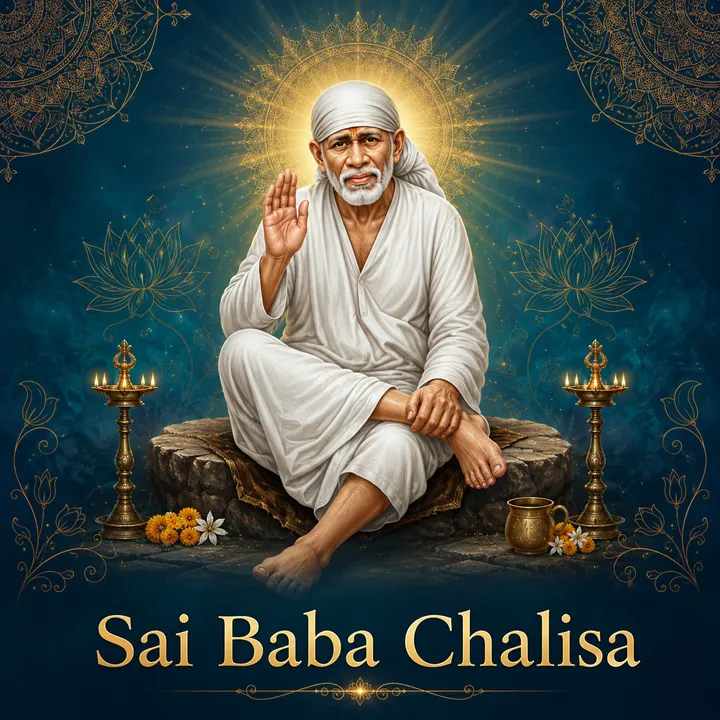
The Sai Baba Chalisa is a Hindi devotional composition in praise of Sai Baba of Shirdi, recounting his mysterious arrival in Shirdi, the devotion of those who sought him out, and several of the episodes devotional tradition remembers him by. Despite its name, it is not a forty-verse text in the manner of the Hanuman Chalisa or Ganesh Chalisa: every source consulted for this page gives the same 102 verses, composed continuously in chaupai meter with no separating doha. “Chalisa” is used here, as it often is in North Indian devotional practice, as a general name for a devotional hymn rather than a literal count of forty verses.
Origin and source
The composer of this Chalisa is not identified in the sources consulted for this page, and this page does not attribute it to a named author. It is composed in Hindi, in a narrative rather than a purely laudatory style, and clearly postdates Sai Baba’s death in 1918, since it refers back to his life and miracles as settled devotional memory.
The text moves through several of the episodes most associated with Sai Baba in devotional literature: the uncertainty around his origins and the different identities devotees have projected onto him (Rama, Hanuman, Ganesha, Krishna, Shiva, Dattatreya); the story of a wealthy, childless devotee from Madras who received a son through Sai Baba’s blessing; the devotee Kashiram, a cloth-seller who was robbed and beaten on the road to Shirdi and, in devotional memory, was found and revived through Sai Baba’s distress and intervention from a distance; a fraudulent medicine-seller who deceived Shirdi’s townspeople and was driven off after Sai Baba’s anger; and the naming of the Dwarkamai, the mosque in Shirdi where Sai Baba lived. Several verses are given directly to the theme this page’s deity entry also documents — Sai Baba’s teaching that Hindu and Muslim worship were one before him, with Ram and Rahim, Krishna and Karim, held as equally his own.
How it is recited
The Sai Baba Chalisa is recited by devotees much like other chalisas, often at home before an image of Sai Baba or as part of a temple’s Sai Baba worship. It is most commonly recited on Thursday, the day widely kept for Sai Baba devotion in North Indian practice, though many devotees also recite it daily.
Frequently asked questions
How many verses does Sai Baba Chalisa have?
Who is Sai Baba Chalisa dedicated to?
When is Sai Baba Chalisa typically recited?
What language is Sai Baba Chalisa composed in?
What tradition is Sai Baba Chalisa associated with?
Is an English translation of Sai Baba Chalisa available?
Is there a Roman transliteration of Sai Baba Chalisa?
Sourcing
Checked against independent sources before publishing — see our sourcing and editorial policy. Spotted an error? Report an issue .